
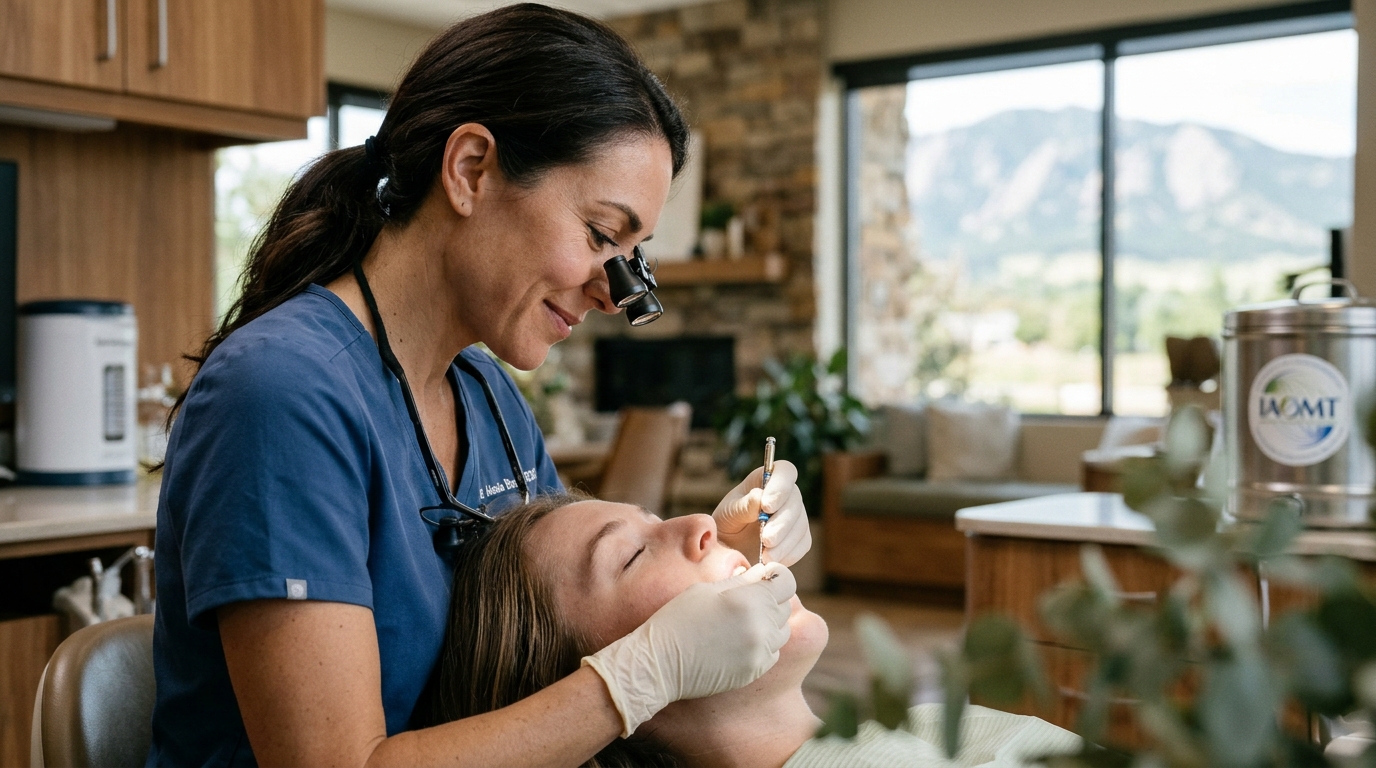
Root Canal Therapy for Infected Teeth
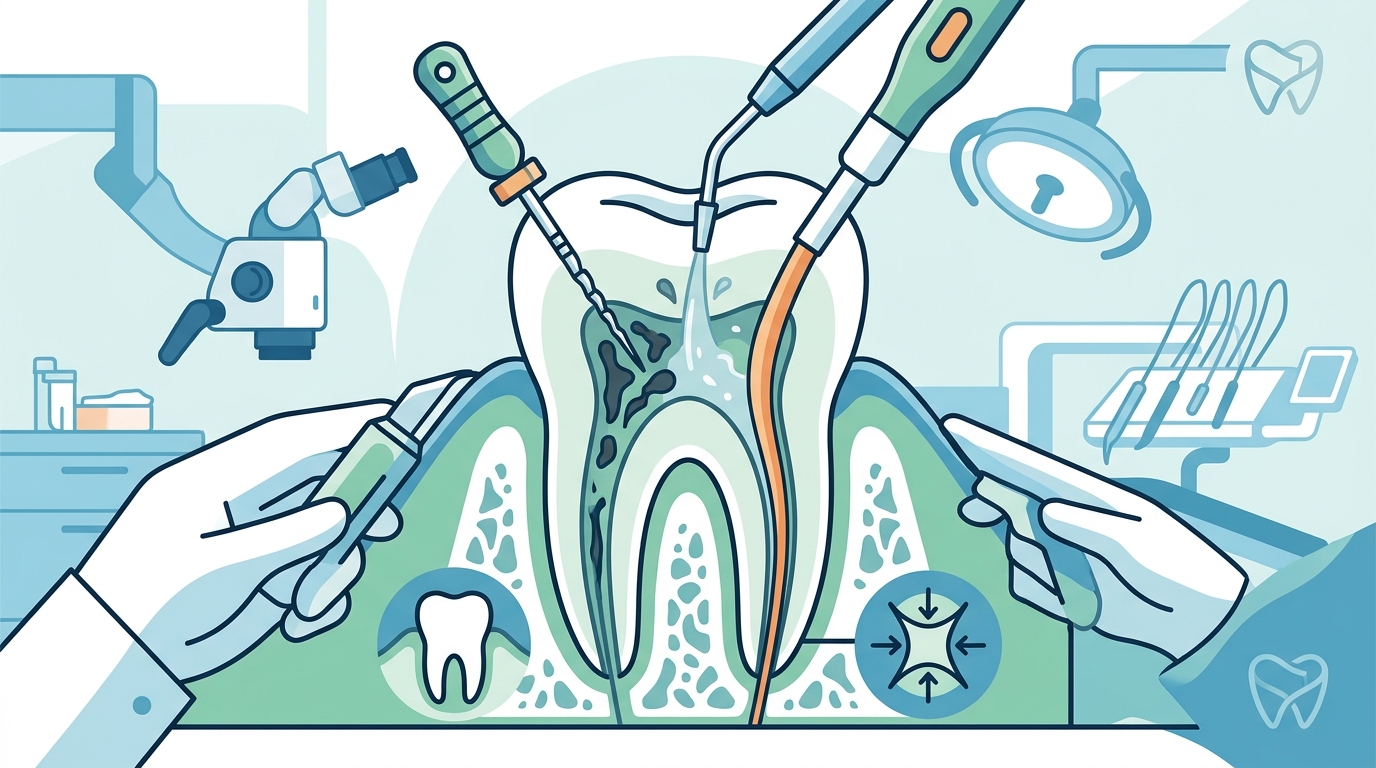
Root canal therapy is a procedure that removes infected pulp from inside a tooth. This treatment is often the first line of defense when a tooth is saved from extraction due to deep decay or trauma. The process involves cleaning the interior of the tooth and sealing it to prevent further infection. By preserving the natural tooth structure, you maintain better chewing efficiency and bone density compared to a missing tooth.
The Role of Endodontics
Endodontics is the branch of dentistry focused on the health of the dental pulp. Specialists in this field use advanced imaging and techniques to locate and treat complex infections. At Mindful Dentistry, we ensure that the treatment is gentle and minimally invasive. This approach aligns with our commitment to safe and gentle dental care for every patient.
Restorative Dentistry and Dental Implants
Preserving Bone Density
When a tooth is lost, the jawbone begins to resorb or shrink. This process can affect the alignment of surrounding teeth and the overall appearance of your face. By using implants or other restorative options, dentists can stimulate the bone and maintain its volume. This is a critical aspect of holistic dentistry, as oral health is directly linked to systemic health.
Orthodontic Correction with Clear Braces
Clear braces are a type of orthodontic appliance that straightens teeth without the visibility of traditional metal brackets. Sometimes, a tooth is at risk of extraction due to severe crowding or misalignment. Orthodontic treatment can create the necessary space to save the tooth. This non-invasive approach allows for the preservation of all natural teeth whenever possible.
Managing Dental Anxiety
Preventive Care and Early Intervention
Preventive care is the most effective way to save a tooth from extraction. Regular check-ups and cleanings allow dentists to identify issues before they become severe. Early detection of cavities, gum disease, or cracks can lead to simpler, less invasive treatments. This proactive approach saves time, money, and the natural tooth itself.
The Holistic Connection
Holistic dentistry is an approach that considers the whole person, not just the teeth. It recognizes the connection between oral health and overall body health. By focusing on natural and non-invasive treatments, we aim to promote your general well-being. This philosophy guides every decision we make in your care plan.
Key Takeaways
- Root canal therapy is a primary method for saving infected teeth from extraction.
- Dental implants can provide a stable foundation for severely damaged teeth.
- Clear braces can correct alignment issues that might otherwise lead to extraction.
- Preventive care and early intervention are the most effective strategies for tooth preservation.
- Dental anxiety relief techniques ensure patients can complete necessary treatments.
- Holistic dentistry focuses on the connection between oral health and overall well-being.
Frequently Asked Questions
Can a severely decayed tooth be saved?
Yes, in many cases, a severely decayed tooth can be saved with a combination of root canal therapy and a crown. The dentist will assess the extent of the damage to determine if the tooth structure is sufficient to support a restoration. If the decay has reached the root, extraction may be necessary, but this is not always the case.
What is the difference between a crown and an implant?
A crown is a cap that covers a damaged tooth, while an implant is a titanium post that replaces the tooth root. Crowns are used to restore the shape and function of a natural tooth, whereas implants are used when the tooth is missing or cannot be saved. Both options can help preserve the appearance and function of your smile.
How does holistic dentistry differ from conventional dentistry?
Is root canal therapy painful?
Modern root canal therapy is typically no more painful than getting a filling. Local anesthesia is used to numb the area, and sedation options are available for anxious patients. The procedure relieves the pain caused by the infection. Most patients report feeling relief after the treatment is complete.
How can I reduce my dental anxiety?
When is extraction the only option?
Extraction is usually the only option when a tooth is too damaged to be restored, such as in cases of severe fracture or advanced gum disease. In these situations, saving the tooth would not be feasible or would compromise the health of surrounding tissues. Your dentist will discuss all options with you before recommending extraction.
Conclusion
Saving a tooth from extraction is a priority for modern dentists. By utilizing root canal therapy, dental implants, clear braces, and preventive care, we can preserve your natural smile. At Mindful Dentistry, we are committed to providing gentle, holistic care in Boulder, CO. If you are concerned about a damaged tooth, schedule a consultation with Dr. Alesia Bergan and our team today. Learn more: mindfuldentistryboulder com.