

What are the best ways to save a damaged tooth instead of pulling it out?
The Role of Root Canal Therapy in Tooth Preservation
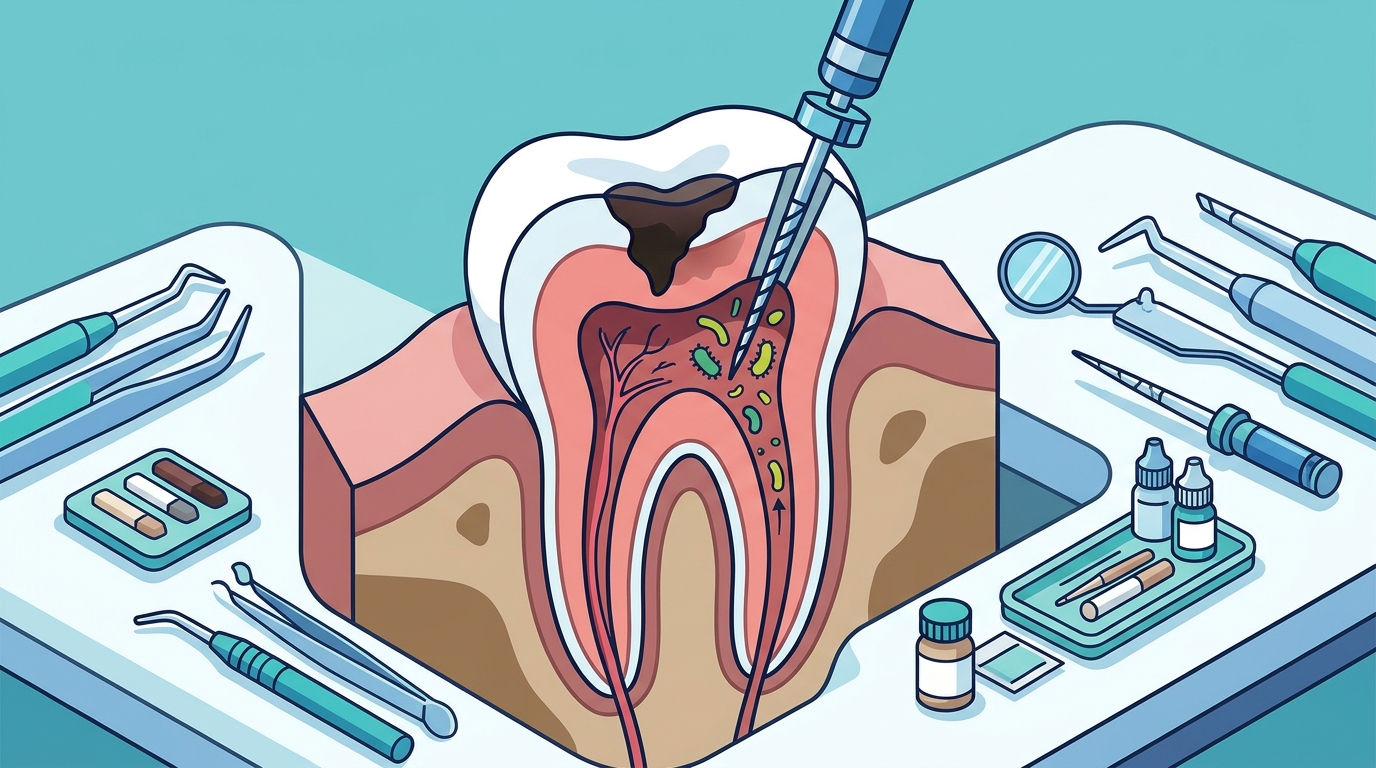
Root canal therapy is a procedure that removes infected pulp from the inside of a tooth. This treatment is often the first line of defense when decay reaches the nerve. By eliminating the source of infection, the tooth can be saved and restored. Without this intervention, the tooth would likely require extraction.
Restorative Options for Structural Damage
Crowns are custom-made to fit the specific tooth and protect it from further fracture. They are strong enough to withstand daily chewing forces. Choosing the right restorative material depends on the location of the tooth and the extent of the damage. Dr. Bergan evaluates each case individually to determine the most conservative and effective solution.
Dental Implants as a Last Resort
Preventive Strategies to Avoid Tooth Loss
Prevention is the most effective way to save your teeth. Regular dental checkups allow for early detection of decay and gum disease. Catching problems early means simpler and less invasive treatments. Good oral hygiene at home is also critical for maintaining tooth health.
Choosing a Holistic Approach to Dental Care
A holistic dentist considers the entire body when treating dental issues. This approach recognizes the connection between oral health and systemic health. At Mindful Dentistry, we use natural and non-invasive treatments whenever possible. This philosophy aligns with the goal of preserving natural teeth.
Key Takeaways
- Root canal therapy is a primary method for saving teeth with infected pulp.
- Dental bonding and crowns are effective restorative options for structural damage.
- Dental implants are a last resort when a tooth cannot be saved.
- Preventive care, including regular checkups and good hygiene, is crucial for tooth preservation.
- Mindful Dentistry in Boulder focuses on gentle, conservative treatments to save natural teeth.
Frequently Asked Questions
Is a root canal painful?
Modern root canal therapy is typically no more painful than getting a filling. Local anesthesia ensures the area is numb during the procedure. Many patients report feeling relief from the pain that prompted the visit.
Can a cracked tooth always be saved?
It depends on the severity and location of the crack. Minor cracks can often be repaired with bonding or a crown. Severe cracks that extend below the gumline may require extraction.
How long does a dental implant take?
What is holistic dentistry?
Holistic dentistry is an approach that considers the whole person, not just the teeth. It focuses on natural, non-invasive treatments and the connection between oral and systemic health.
How can I prevent tooth damage?
Prevent tooth damage by maintaining good oral hygiene, eating a balanced diet, and wearing a mouthguard. Regular dental visits help catch problems early before they become severe.
Does Mindful Dentistry offer dental implants?
Why is saving a natural tooth better than an implant?
Natural teeth have a periodontal ligament that provides sensory feedback and support. This connection helps maintain jawbone density and function. Implants do not have this ligament, making natural teeth the preferred option when possible. Learn more: mindfuldentistryboulder com.