
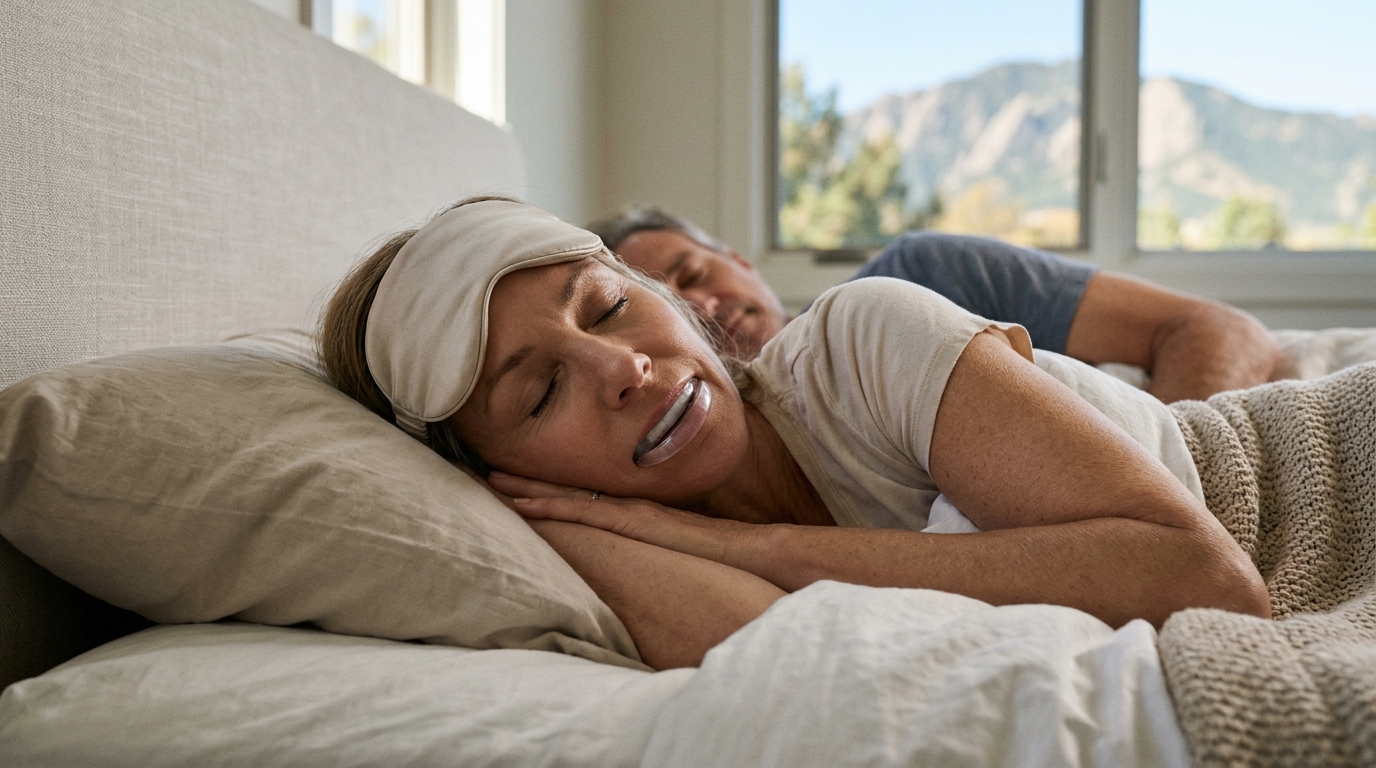
7 Best Oral Appliance Options for Treating Sleep Apnea Without CPAP
Many patients in Boulder seek alternatives to CPAP machines for managing sleep apnea. Oral appliance therapy is a proven, FDA-approved method that advances the lower jaw to keep the airway open during sleep. At Mindful Dentistry, Dr. Alesia Bergan and her team provide personalized, gentle care for patients who want effective relief without the bulk of a CPAP device. This guide outlines the most effective oral appliance designs available today. For additional details, review the mindfuldentistryboulder com.
1. Mandibular Advancement Devices
These are the gold standard for oral appliance therapy. A mandibular advancement device (MAD) is a custom-fitted mouthpiece that holds the lower jaw in a slightly forward position. This mechanical shift pulls the tongue and soft tissues away from the back of the throat, preventing airway collapse. Most patients find MADs highly effective for mild to moderate obstructive sleep apnea. For additional details, review the About.
2. Custom-Fabricated Thermoplastic Appliances
3. Hybrid Oral Appliance Therapy
These combine oral appliances with other therapeutic approaches. Hybrid therapy is a treatment plan that integrates an oral appliance with lifestyle changes or other medical interventions. For example, a patient might use a custom mouthpiece alongside weight management or positional therapy. This multi-faceted approach often yields better long-term outcomes for complex cases.
4. Tongue Retainer Devices
These are ideal for patients with tongue-based airway obstruction. A tongue retainer is a device that holds the tongue in a forward position without significantly advancing the lower jaw. This design is often recommended for patients who experience jaw pain or discomfort with traditional mandibular advancement devices. It provides a gentler alternative that still maintains airway patency.
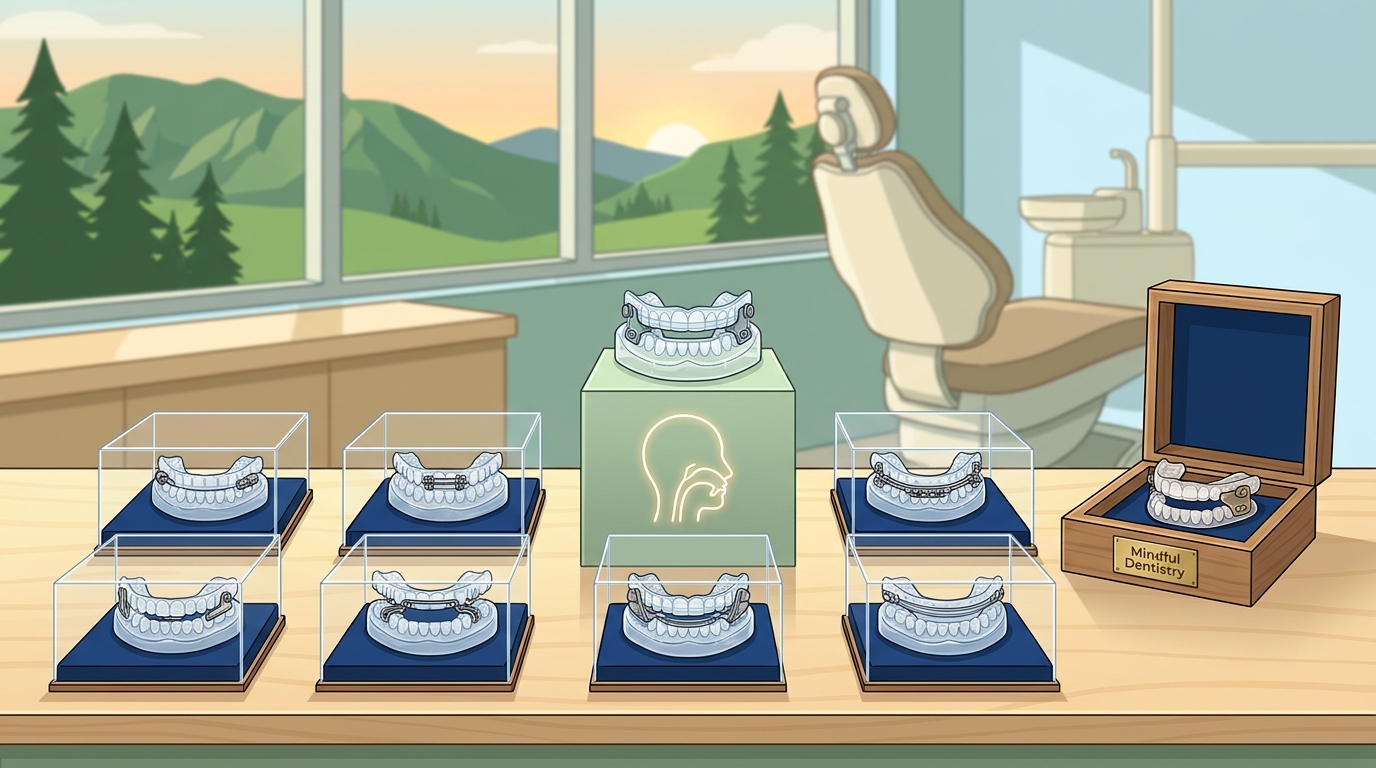
5. Split-Arch Advancement Appliances
These provide targeted force distribution for better comfort. A split-arch appliance is a design that allows for independent adjustment of the upper and lower arches. This flexibility helps dental professionals fine-tune the degree of jaw advancement. Patients often report less muscle strain with split-arch designs compared to single-piece devices.
6. Night Guard Integrated Appliances
These address both sleep apnea and bruxism simultaneously. An integrated appliance is a dual-purpose device that treats airway obstruction while protecting teeth from grinding. Many sleep apnea patients also suffer from bruxism, which can damage dental work and cause headaches. Combining these functions into one device simplifies the nightly routine and improves overall oral health.
7. Digital Scan Custom Appliances
These leverage modern technology for superior accuracy. A digital scan appliance is fabricated using intraoral scanners that capture high-resolution 3D images of the mouth. This technology eliminates the need for messy impression materials and allows for rapid adjustments. At Mindful Dentistry, we utilize advanced digital tools to ensure your appliance fits perfectly from the first night.
Choosing the Right Appliance for You
Selecting the best oral appliance depends on your specific anatomy, severity of apnea, and comfort preferences. A thorough evaluation by a qualified dental professional is essential to determine which design will work best for your airway. Do not attempt to self-diagnose or use unverified over-the-counter products without professional guidance.
Frequently Asked Questions
How long does it take to get used to an oral appliance?
Most patients adjust to their new appliance within one to two weeks. Initial discomfort is normal as your jaw muscles adapt to the new position. Consistent nightly use is key to achieving full comfort and therapeutic benefit.
Can oral appliances cure sleep apnea?
Oral appliances manage the symptoms of sleep apnea by keeping the airway open. They do not cure the underlying condition but can significantly reduce the frequency and severity of apnea events. Regular follow-ups are necessary to monitor progress and adjust the device as needed.
Are oral appliances covered by insurance?
How often should I replace my oral appliance?
Most oral appliances last between two and five years with proper care. Wear and tear, changes in your bite, or damage to the device may require replacement. Regular check-ups with your dentist will help determine when a new appliance is needed.
Is oral appliance therapy safe for everyone?
Oral appliance therapy is generally safe for most adults with mild to moderate sleep apnea. However, patients with certain dental conditions or severe apnea may require alternative treatments. A professional evaluation is necessary to ensure safety and effectiveness.
Experience Gentle, Effective Care in Boulder
At Mindful Dentistry, we understand that sleep apnea treatment should be comfortable and effective. Dr. Alesia Bergan and her team are dedicated to providing holistic, patient-centered care that addresses your unique needs. If you are ready to explore oral appliance therapy, we are here to guide you through every step of the process. Contact Mindful Dentistry today to schedule your consultation and take the first step toward better sleep. Learn more: mindfuldentistryboulder com.