

Airway-focused dentistry improves overall health and sleep quality by addressing the structural and functional causes of obstructive sleep apnea and chronic mouth breathing. At Mindful Dentistry in Boulder, Dr. Alesia Bergan and her team integrate oral health with systemic wellness, recognizing that a compromised airway can lead to fragmented sleep, cardiovascular strain, and cognitive decline. By expanding the airway and stabilizing the jaw, this approach reduces snoring and apnea events, allowing for deeper, restorative rest and improved daytime energy. For additional details, review the mindfuldentistryboulder com.
The Connection Between Oral Structure and Airway Function
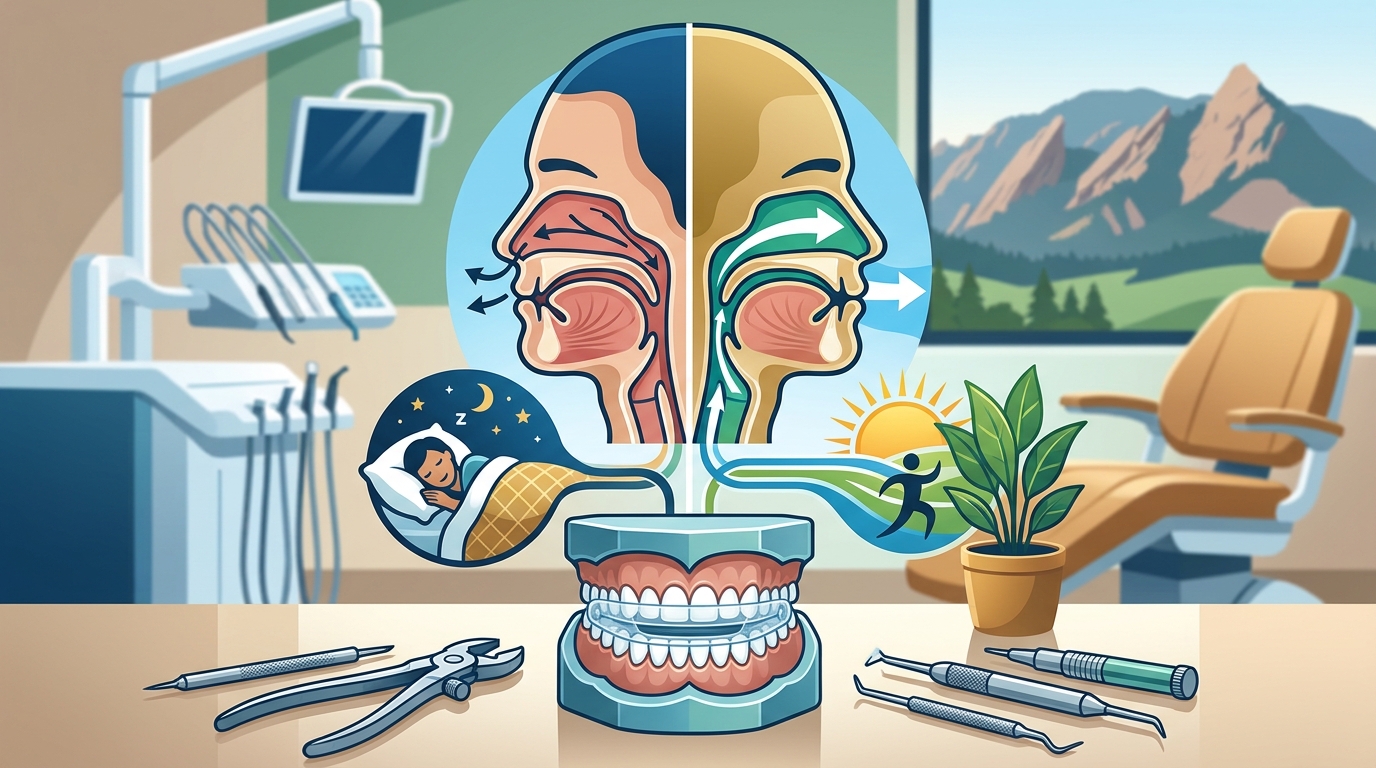
The mouth is the gateway to the respiratory system, and its structural integrity directly impacts airflow. Airway-focused dentistry is a specialized branch of dentistry that evaluates and treats the relationship between the oral cavity, the jaw, and the upper airway. When the lower jaw is positioned too far back or the tongue is too large for the oral space, the airway narrows during sleep. This anatomical restriction forces the body to work harder to maintain oxygen flow, often resulting in micro-awakenings that fragment sleep architecture.
Traditional dentistry often focuses solely on teeth and gums, potentially overlooking these structural issues. In contrast, a holistic approach examines the entire craniofacial complex. For patients in Boulder, understanding this connection is vital because many chronic health issues, such as hypertension and fatigue, may have an oral origin. By identifying these structural deficits early, dental professionals can intervene before they lead to severe systemic complications.
Improving Sleep Quality Through Structural Correction
Obstructive sleep apnea (OSA) is a serious condition where breathing repeatedly stops and starts during sleep. Obstructive sleep apnea is a sleep disorder characterized by repeated pauses in breathing due to the collapse of the upper airway. These pauses can last from a few seconds to minutes and can occur hundreds of times per night. The resulting drop in blood oxygen levels triggers the brain to wake the body just enough to reopen the airway, but not enough for the person to remember the event. This cycle prevents the brain from entering deep, restorative sleep stages.
Structural corrections, such as mandibular advancement devices or orthodontic expansion, can physically hold the airway open. By maintaining a patent airway, these interventions reduce the frequency of apnea events and improve oxygen saturation levels. Patients often report significant improvements in sleep quality, including fewer awakenings and a greater sense of restfulness upon waking. This direct mechanical intervention addresses the root cause of the sleep disturbance rather than merely managing symptoms.
Systemic Health Benefits Beyond the Bedroom
The benefits of airway-focused care extend far beyond the bedroom, impacting cardiovascular, metabolic, and cognitive health. Chronic sleep fragmentation and intermittent hypoxia place significant stress on the body, leading to systemic inflammation. Intermittent hypoxia is a condition where the body experiences repeated episodes of low oxygen levels, which can damage blood vessels and organs over time. This condition is strongly linked to an increased risk of hypertension, type 2 diabetes, and stroke. By resolving the airway obstruction, the body can maintain stable oxygen levels, reducing the physiological stress that drives these chronic conditions.
Furthermore, improved sleep quality enhances cognitive function and emotional regulation. Patients often experience better focus, memory, and mood stability after their airway issues are addressed. This holistic perspective aligns with the philosophy of Mindful Dentistry, which aims to promote overall health and well-being through natural and non-invasive treatments. By treating the airway, we are not just fixing a dental problem; we are supporting the body's ability to heal and function optimally.
The Role of Holistic Dentistry in Airway Care
Holistic dentistry views the patient as a whole, considering how oral health interacts with the rest of the body. At Mindful Dentistry, Dr. Alesia Bergan emphasizes personalized care that respects the patient's unique anatomy and health goals. This approach often involves collaboration with sleep medicine specialists to ensure a comprehensive treatment plan. For patients with dental anxiety, the gentle and mindful environment at our Boulder practice helps reduce stress, which can also impact sleep quality. A relaxed patient is more likely to adhere to treatment protocols and experience better outcomes.
The integration of clear braces and other orthodontic tools can also play a role in airway expansion. By gently guiding the teeth and jaw into a more optimal position, these treatments can create more space for the tongue and improve airflow. This non-invasive approach is particularly appealing to patients who wish to avoid surgical interventions. The focus on natural and gentle methods ensures that the treatment process is as comfortable as the results are beneficial.
Key Takeaways
- Airway-focused dentistry addresses the structural causes of sleep apnea and mouth breathing.
- Improving airway patency leads to better sleep quality and reduced fragmentation.
- Chronic airway obstruction is linked to cardiovascular and metabolic health issues.
- Holistic dentistry integrates oral care with systemic wellness for comprehensive health.
- Non-invasive treatments like mandibular advancement devices can be highly effective.
- Personalized care at Mindful Dentistry ensures a comfortable and effective treatment journey.
Frequently Asked Questions
What is airway-focused dentistry?
Airway-focused dentistry is a specialized field that evaluates and treats the relationship between the oral cavity, jaw, and upper airway to improve breathing and sleep quality.
How does airway dentistry improve sleep?
It improves sleep by structurally opening the airway, reducing the frequency of apnea events and allowing for deeper, uninterrupted rest.
Can dental treatment help with snoring?
Yes, by addressing the underlying structural issues that cause airway collapse, dental treatments can significantly reduce or eliminate snoring.
Is airway-focused dentistry safe?
Yes, when performed by a qualified professional, it is a safe and non-invasive approach to improving respiratory health and sleep quality.
Who should consider airway-focused dentistry?
Individuals who snore, have been diagnosed with sleep apnea, or experience chronic fatigue and mouth breathing should consider an airway-focused dental evaluation. Learn more: mindfuldentistryboulder com.