

1. Treating Dentin Hypersensitivity
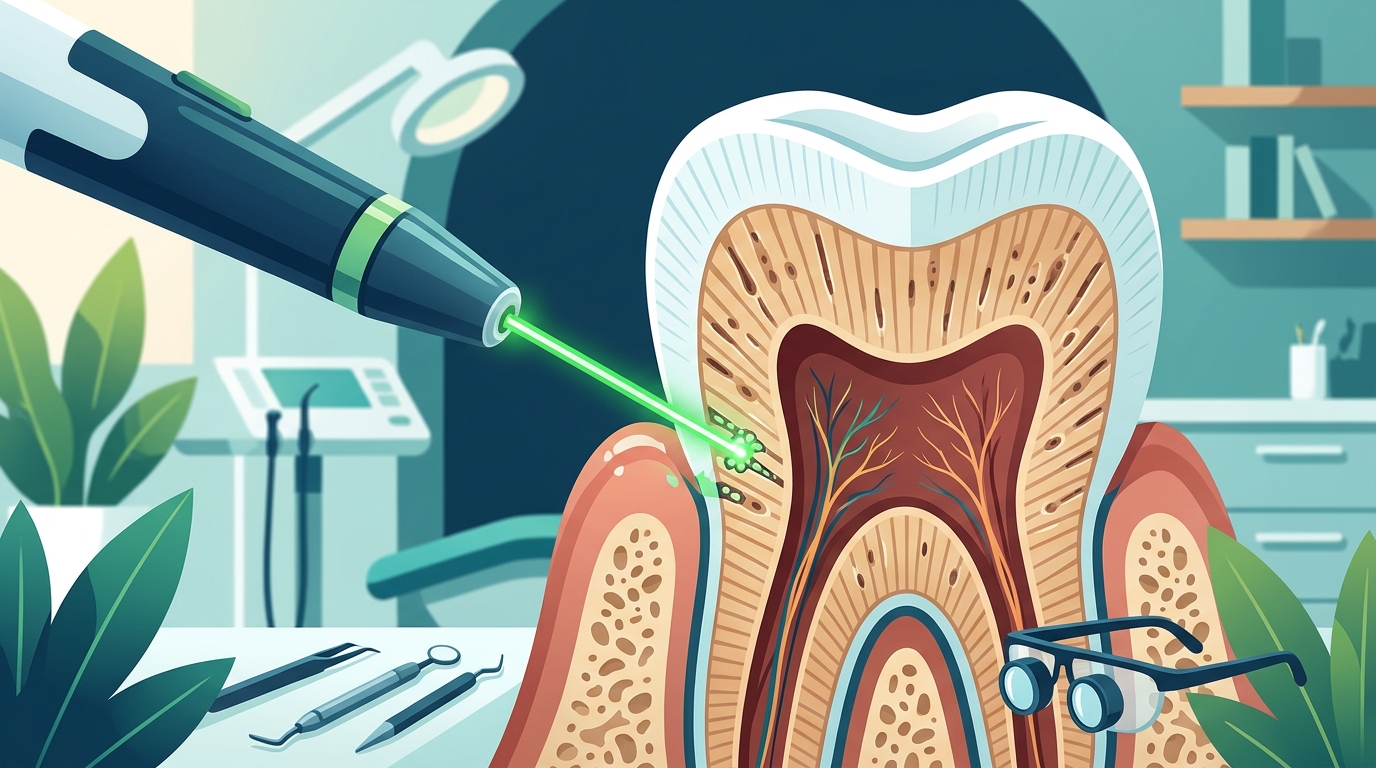
Lasers can seal exposed dentin tubules to eliminate tooth sensitivity. Dentin hypersensitivity is a prevalent oral problem that affects more than 40% of adults worldwide, according to research published in PMC. The cervical area of teeth is the most common site for this discomfort. Laser therapy works by causing the proteins in the dentin to coagulate, effectively sealing the microscopic tubules that transmit pain signals to the nerve. For additional details, review the mindfuldentistryboulder com.
2. Non-Surgical Periodontal Therapy
3. Endodontic Disinfection
Photodynamic therapy significantly reduces bacterial load inside root canals. In endodontics, the evidence for antimicrobial photodynamic therapy (aPDT) is robust, with systematic reviews reporting bacterial load reductions of 91.3 to 100 percent when photosensitizers are activated by lasers, as noted by Bioengineer. This deep disinfection is critical for preventing reinfection and ensuring the long-term success of root canal treatments. For additional details, review the .
4. Precise Cavity Preparation
Erbium lasers allow for conservative ablation of decayed tooth structure. Erbium lasers operate at higher frequencies and have a high affinity for hydroxyapatite, the mineral component of teeth, according to PMC. They are known for eliminating the smell and vibration associated with traditional dental handpieces. This precision allows dentists to remove only the damaged tissue, preserving as much healthy tooth structure as possible. For additional details, review the Customer Experience.
5. Implant Surface Decontamination
Lasers effectively detoxify biofilm-contaminated titanium implant surfaces. Er:YAG laser treatment has been found to be an effective method for the detoxification of oral biofilm-contaminated titanium surfaces without causing surface alterations, as detailed in PMC. A systematic review and meta-analysis showed that laser treatment resulted in similar clinical improvement as compared to conventional implant surface decontamination methods. This makes lasers a valuable tool for maintaining the health of dental implants. For additional details, review the Frequently Asked Questions.
6. Soft Tissue Reshaping
Soft tissue lasers enable precise gum contouring with minimal bleeding. Lasers are widely used in cosmetic and functional gum procedures to reshape tissue with high accuracy. The cauterizing effect of the laser seals blood vessels as it cuts, which results in a cleaner surgical field and reduced post-operative bleeding. This precision is particularly useful for correcting gummy smiles or preparing tissue for restorative work. For additional details, review the About.
7. Pulp Vitality Assessment
Low-power lasers can help assess the health of the dental pulp. Laser applications for dental caries prevention and pulp vitality assessment are key areas of ongoing research, identified in a scientometric study from 2014-2023 in PMC. These non-invasive diagnostic tools help clinicians determine if a tooth is vital or necrotic, guiding appropriate treatment decisions without the need for invasive testing.
Choosing the Right Laser Treatment
The selection of a laser modality depends on the specific dental problem and the tissue type involved. Hard tissue procedures often utilize Erbium lasers for their precision, while soft tissue and disinfection protocols may employ diode or photodynamic therapies. At Mindful Dentistry, Dr. Bergan evaluates each patient's unique oral health needs to determine if laser therapy is the most appropriate and beneficial option for their care plan.
Frequently Asked Questions
Is laser dentistry painful?
Most patients report significantly less discomfort with laser treatments compared to traditional methods. The precision of the laser often reduces the need for local anesthesia, and the absence of vibration and noise helps alleviate dental anxiety.
Do lasers replace all traditional dental tools?
No, lasers are an adjunct to traditional dental instruments. They are used for specific applications where their precision and biological benefits are advantageous, but they do not replace all mechanical tools in every procedure.
Are laser treatments safe for all patients?
Laser dentistry is generally safe when performed by a trained professional. The American Dental Association provides guidelines on laser safety and potential hazards to ensure patient protection during these procedures.
How long does a laser treatment take?
The duration varies by procedure. Simple treatments like sensitivity reduction may take only a few minutes, while more complex procedures like periodontal therapy or cavity preparation may take longer, similar to traditional methods.
Does insurance cover laser dentistry?
Coverage depends on your specific insurance plan and the medical necessity of the procedure. It is best to consult with your provider and the dental office to understand what is covered under your policy. Learn more: mindfuldentistryboulder com.