

Step-by-Step Process for Evaluating Tooth Extraction Alternatives in Boulder
Tooth loss remains a critical health issue affecting millions of adults across the United States. According to the American College of Prosthodontists, approximately 171 million people are missing all their teeth, and the majority of adults have lost at least one permanent tooth. This statistic highlights why preserving natural dentition is the primary goal of modern dental care. At Mindful Dentistry in Boulder, we prioritize conservative treatments that maintain your oral structure whenever possible. Understanding the step-by-step evaluation process helps you make informed decisions about your smile and long-term health.
Step 1: Comprehensive Diagnostic Imaging
The evaluation process begins with advanced imaging technology. Traditional X-rays provide a two-dimensional view, which can sometimes obscure critical details about bone density and root structure. At Mindful Dentistry Boulder, we utilize 3D cone beam computed tomography (CBCT) scans to create a precise volumetric model of your jaw. This technology allows us to see the exact position of the tooth relative to vital nerves and sinuses.
Diagnostic imaging reveals hidden decay, abscesses, and the quality of the surrounding bone. If the bone structure is sufficient to support a restoration, extraction becomes less likely. This initial step is crucial because it removes guesswork from the diagnosis. We analyze the scan to determine if the tooth can be saved or if the structural integrity is too compromised. This data-driven approach ensures that we only recommend extraction when absolutely necessary.
Step 2: Periodontal Health Assessment
Gum health is the foundation of tooth retention. Periodontal disease is the leading cause of tooth loss in adults. During this phase, we measure the depth of the pockets surrounding the tooth in question. Healthy pockets typically measure between one and three millimeters. Deeper pockets indicate bacterial accumulation and bone loss.
We evaluate the mobility of the tooth and the amount of gum tissue recession. If the supporting bone has lost less than 50% of its height, the tooth often has a viable future. However, if the bone loss exceeds 70%, the prognosis for saving the tooth diminishes significantly. This assessment helps us determine if periodontal therapy can stabilize the tooth or if the foundation is too weak to support any restoration.
Step 3: Restorative Feasibility Analysis
Even if a tooth is structurally sound, we must evaluate its potential for restoration. This involves checking the amount of remaining tooth structure above the gum line. A tooth needs sufficient "ferrule," or vertical height, to hold a crown securely. Without adequate ferrule, a crown may fail, leading to eventual extraction.
We also consider the opposing teeth. If the tooth opposite the damaged one is healthy, we can often perform a crown lengthening procedure to expose more tooth structure. This surgical option allows us to save a tooth that might otherwise be extracted. The goal is to create a restoration that can withstand normal chewing forces for many years. If the tooth cannot support a crown, we look for other alternatives before considering removal.
Step 4: Endodontic Options and Root Canal Therapy
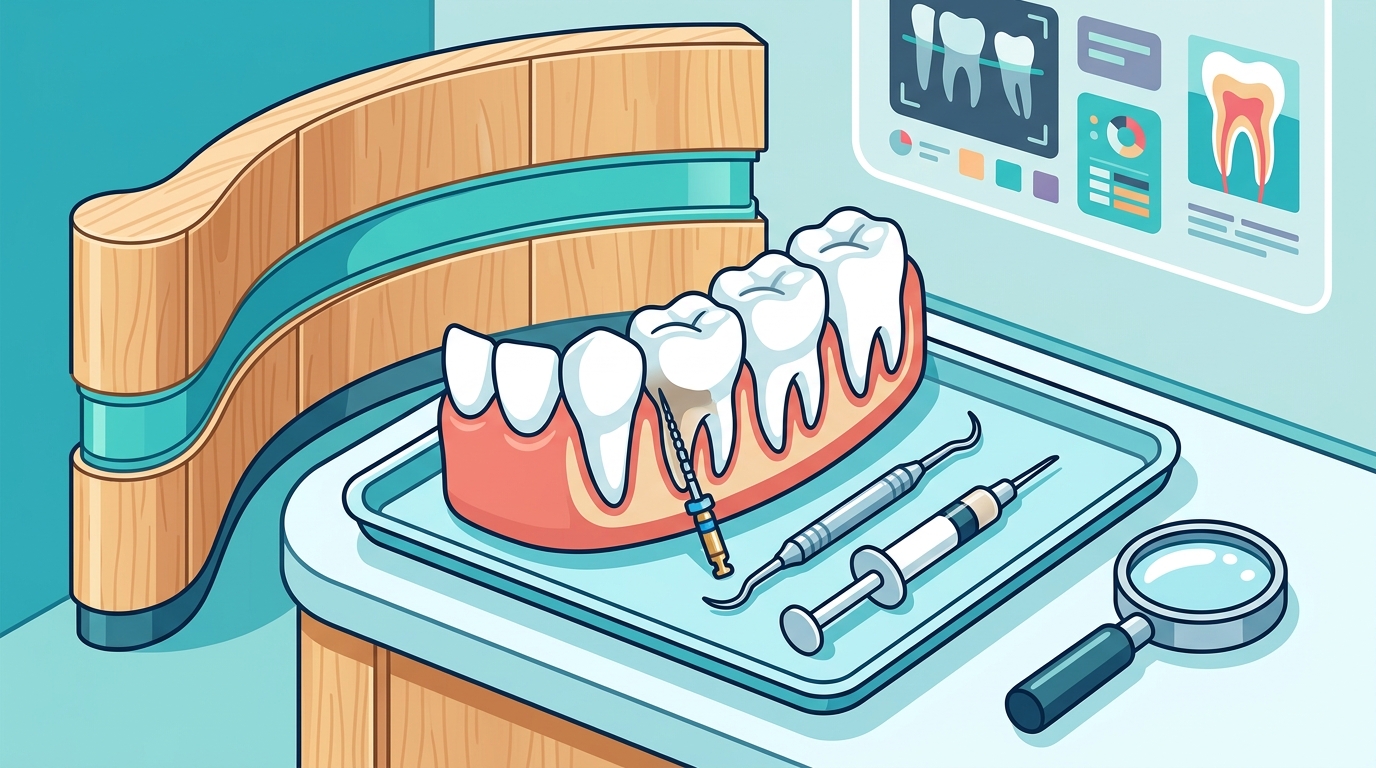
When decay reaches the pulp, infection becomes a risk. Root canal therapy is the standard procedure to save an infected tooth. This process involves removing the infected nerve tissue, cleaning the canals, and sealing the tooth. At Mindful Dentistry, we evaluate whether the root canals are straight enough for successful treatment.
Complex cases may require referral to an endodontist, a specialist in root canal therapy. However, many teeth that appear hopeless can be saved with modern endodontic techniques. We assess the curvature of the roots and the presence of calcifications. If the tooth can be cleaned and sealed effectively, it remains a viable option. Saving your natural tooth preserves the jawbone and maintains proper bite alignment.
Step 5: Evaluating Specific Extraction Alternatives
If the tooth cannot be saved through standard means, we explore specific alternatives to immediate extraction. These options depend on the location of the tooth and the patient's overall health. Below is a comparison of common alternatives to extraction.
| Alternative Option | Best For | Long-Term Outcome |
|---|---|---|
| Root Canal Therapy | Infected pulp with sufficient bone support | Preserves natural tooth structure and function |
| Crown Lengthening | Broken down tooth with healthy roots | Allows for crown placement on short teeth |
| Periodontal Surgery | Teeth with deep pockets but good structure | Reduces pocket depth and stabilizes bone |
| Orthodontic Extrusion | Teeth broken below the gum line | Pulls tooth down to allow restoration |
Each option requires a careful risk-benefit analysis. For example, orthodontic extrusion can bring a broken tooth above the gum line, making it restorable. This process takes time but avoids the need for an implant. Similarly, treating bruxism can prevent further damage to a compromised tooth. We consider your lifestyle and budget when recommending these alternatives.
Key Takeaways
- Diagnostic imaging is the first step in evaluating tooth preservation options.
- Periodontal health determines the long-term stability of a tooth.
- Root canal therapy can save teeth that appear hopeless due to infection.
- Crown lengthening allows restoration of teeth broken below the gum line.
- Orthodontic extrusion is a viable option for sub-gingival fractures.
- Preserving natural teeth helps maintain jawbone density and facial structure.
- Mindful Dentistry in Boulder prioritizes conservative, tooth-saving treatments.
Frequently Asked Questions
How do I know if my tooth can be saved?
A dentist evaluates the amount of remaining tooth structure, the health of the surrounding bone, and the status of the pulp. If the tooth has sufficient support and can be sealed properly, it can likely be saved.
What is the difference between a root canal and an extraction?
A root canal removes the infected nerve tissue inside the tooth to save it, while an extraction removes the entire tooth. Root canals preserve your natural dentition, whereas extractions require replacement with implants or bridges.
Can gum disease be treated to save a loose tooth?
Yes, periodontal therapy can often stabilize loose teeth by reducing inflammation and bacterial load. In some cases, surgical intervention is needed to regenerate lost bone.
Is crown lengthening a permanent solution?
Crown lengthening is a permanent surgical procedure that exposes more tooth structure. It allows for a secure crown placement, provided the underlying bone health is maintained.
What are the risks of delaying tooth extraction?
Delaying necessary extraction can lead to the spread of infection, damage to adjacent teeth, and increased bone loss. Early evaluation helps prevent these complications.
How long does the evaluation process take?
The initial evaluation typically takes one to two visits. This includes imaging, clinical examination, and discussion of treatment options. Complex cases may require additional consultations.
Does insurance cover tooth-saving alternatives?
Many insurance plans cover root canals, crowns, and periodontal therapy. Coverage varies by plan, so we recommend checking with your provider before starting treatment.
Contact Us for a Consultation
If you are facing a difficult dental decision, we are here to help. Our team at Mindful Dentistry specializes in evaluating every possible alternative to extraction. We use advanced technology and a mindful approach to ensure your best outcome. Schedule your consultation today by visiting our contact page or calling our office. Let us help you preserve your smile for years to come.