

The landscape of dental care is shifting rapidly as patients in Boulder seek more comprehensive health solutions. Recent industry data shows that over 60% of consumers now prioritize preventive and biocompatible care options when selecting a healthcare provider. This surge in demand reflects a growing skepticism toward conventional methods that often focus solely on symptom management rather than root causes. Understanding the fundamental differences between holistic and traditional approaches is critical for making an informed choice about your long-term oral and systemic health. (Blog)
Core Philosophy Differences
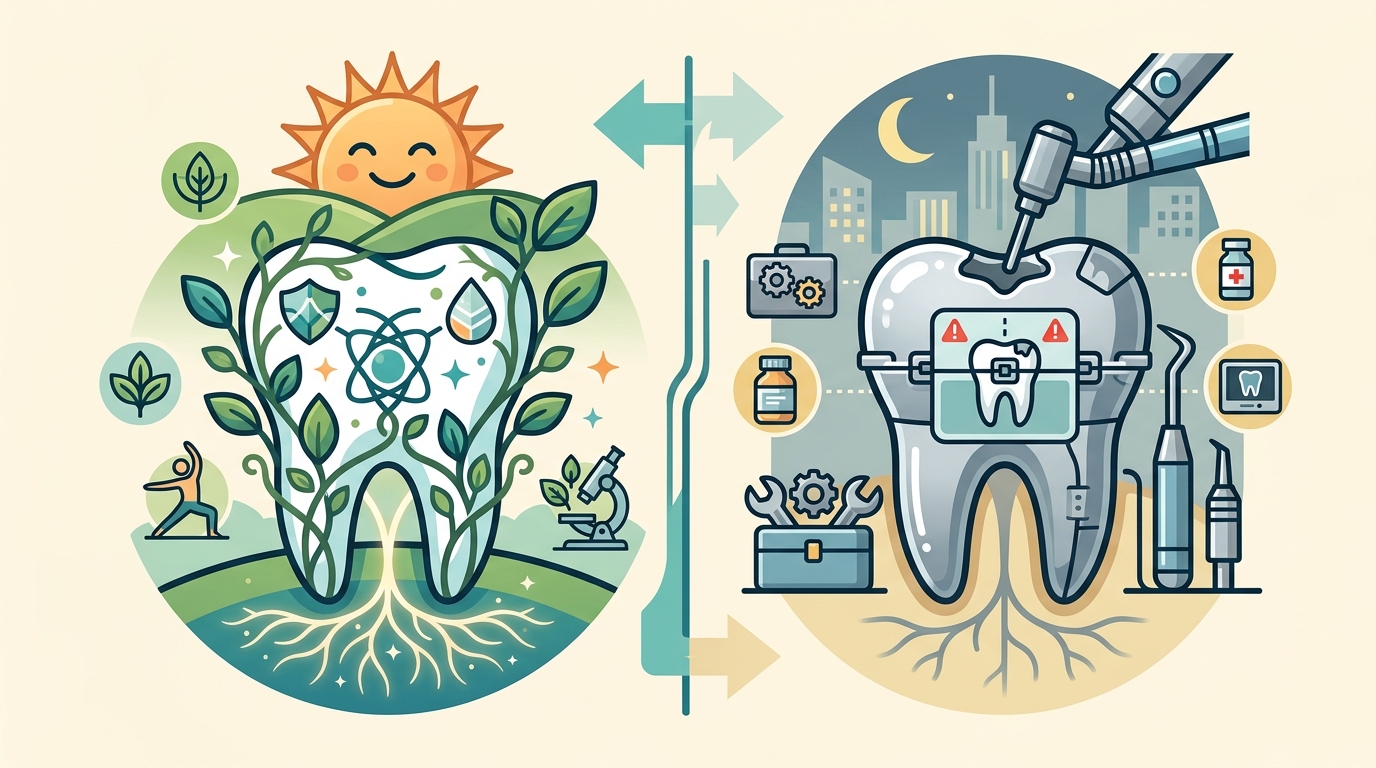
The primary distinction lies in how each discipline views the mouth. Traditional dentistry operates on a mechanical model. It treats the teeth as isolated structures that require repair when damaged. The goal is often to restore function using standard protocols. This approach has saved countless teeth through fillings, crowns, and root canals. However, it frequently ignores the biological context of the patient. (Clear Braces)
Holistic dentistry, also known as biological or biocompatible dentistry, views the mouth as an integral part of the whole body. Holistic dentistry is a practice that prioritizes the use of non-toxic materials and minimally invasive techniques to support overall systemic health. Practitioners in this field believe that oral health directly influences conditions like heart disease, diabetes, and autoimmune disorders. They ask not just how to fix the tooth, but how the procedure affects the entire immune system.
For residents of Boulder, this distinction is particularly relevant. The community has a strong culture of wellness and environmental consciousness. This aligns naturally with the holistic model. Alesia Bergan DDS, for instance, embodies this approach by focusing on the connection between oral health and general well-being. Her practice emphasizes understanding the patient's full medical history before proposing any treatment plan.
Materials and Toxicity Concerns
One of the most significant points of contention between these two models is the materials used in restorative work. Traditional dentistry has long relied on amalgam fillings, commonly known as silver fillings. These contain mercury, a heavy metal that has been linked to various health concerns. While the FDA considers amalgam safe for most adults, many holistic practitioners argue that even low-level exposure can be detrimental over time.
Holistic dentists strictly avoid mercury and other potentially toxic substances. They prefer composite resins, ceramics, and other biocompatible materials. These materials are designed to mimic the natural appearance and strength of teeth without introducing foreign chemicals into the body. The choice of material is not just aesthetic; it is a health decision. Patients concerned about environmental impact or personal sensitivity often find this aspect of holistic care compelling.
Another area of focus is the safety of dental x-rays. Traditional practices may use digital x-rays at a standard frequency. Holistic dentists, however, utilize the ALARA principle, which stands for "As Low As Reasonably Achievable." They only take x-rays when absolutely necessary and use lead aprons and thyroid collars to minimize radiation exposure. This cautious approach reflects a broader commitment to reducing any potential harm from diagnostic tools.
Diagnostic Approaches
How a dentist diagnoses a problem dictates the treatment path. Traditional dentistry often relies heavily on visual inspection and x-ray imagery. If a cavity is visible, the standard response is to drill and fill. This method is efficient and effective for immediate structural repair. However, it may miss underlying issues such as gum inflammation or early signs of infection that do not yet show up on an x-ray.
Holistic dentistry employs a more investigative diagnostic process. Practitioners look for signs of chronic infection, such as dark circles under the eyes, fatigue, or digestive issues. They may use tools like intraoral cameras to show patients exactly what is happening in their mouth. This transparency helps patients understand the "why" behind a recommendation. It also encourages shared decision-making, where the patient is an active participant in their care plan.
Furthermore, holistic dentists often screen for oral-systemic links. For example, they might investigate whether a patient's gum disease is contributing to their high blood pressure. This comprehensive view allows for earlier intervention in systemic conditions. It transforms the dental visit from a reactive repair session into a proactive health maintenance appointment.
Treatment Options and Procedures
The range of treatments offered differs significantly between the two models. Traditional dentistry is highly specialized. You might see a general dentist for fillings, an orthodontist for braces, and an endodontist for root canals. Each specialist focuses on a specific aspect of dental health. This fragmentation can sometimes lead to conflicting advice or redundant procedures.
Holistic dentistry often integrates multiple disciplines into a single, cohesive plan. For instance, a holistic dentist might offer clear braces as an aesthetic option that also considers jaw alignment and airway health. They may provide dental implants that are placed with careful attention to bone integration and immune response. The goal is to restore function while preserving as much natural tooth structure as possible.
Bruxism grinding treatment is another area where the approaches diverge. Traditional dentists typically prescribe a hard plastic night guard to protect the teeth from wear. While this protects the enamel, it does not address the underlying stress or muscle tension causing the grinding. Holistic dentists may recommend a softer, biocompatible guard along with stress management techniques or physical therapy referrals. This multi-faceted approach aims to resolve the root cause rather than just the symptom.
Anxiety Management Techniques
Dental anxiety is a common barrier to care. Traditional dentistry often addresses this through sedation options like nitrous oxide or oral sedatives. These methods are effective for keeping patients calm during procedures. However, they can leave patients feeling groggy or disconnected from the experience. Some patients also have concerns about the side effects of sedative medications.
Holistic dentistry places a heavy emphasis on creating a calming environment. This includes everything from the decor of the office to the tone of voice used by the staff. Techniques such as guided breathing, mindfulness, and gentle communication are standard. The goal is to reduce the fight-or-flight response, which can actually interfere with healing and pain perception. For patients with severe dental anxiety, this supportive atmosphere can be transformative.
Additionally, holistic dentists often avoid the use of certain medications that can disrupt the body's natural balance. For example, they may prefer local anesthetics that do not contain epinephrine, which can cause heart palpitations in sensitive individuals. This attention to detail ensures that the treatment process is as gentle and safe as possible.
Comparative Analysis
To help you decide which approach is right for you, consider the following comparison of key factors. This table summarizes the primary differences in materials, diagnostics, and patient experience.
| Feature | Traditional Dentistry | Holistic Dentistry |
|---|---|---|
| Primary Focus | Structural repair and symptom relief | Systemic health and prevention |
| Fillings | Amalgam (mercury) or composite | Biocompatible composites and ceramics only |
| X-Rays | Standard frequency | ALARA principle (minimal exposure) |
| Diagnosis | Visual and radiographic | Comprehensive health history and oral-systemic links |
| Anxiety Care | Sedation and medication | Mindfulness, breathing, and gentle communication |
Key Takeaways
- Holistic dentistry treats the mouth as a window to overall health, whereas traditional dentistry focuses on isolated structural repair.
- Biocompatible materials are a cornerstone of holistic care, avoiding mercury and other potentially toxic substances found in some traditional fillings.
- Diagnostics in holistic practices include screening for oral-systemic links, such as the connection between gum disease and heart health.
- Anxiety management in holistic dentistry relies on environmental cues and mindfulness techniques rather than heavy sedation.
- Boulder residents often prefer holistic dentistry due to the community's strong alignment with wellness and environmental values.
- Treatments like clear braces and bruxism grinding therapy are adapted to consider jaw alignment and stress factors in holistic care.
- X-ray usage is strictly minimized in holistic practices to adhere to the ALARA principle for radiation safety.
Frequently Asked Questions
Is holistic dentistry more expensive than traditional dentistry?
Holistic dentistry can sometimes be more expensive due to the cost of biocompatible materials and the time spent on comprehensive diagnostics. However, many patients find the long-term health benefits and reduced need for repeat procedures to be cost-effective over time.
Do holistic dentists perform root canals?
Many holistic dentists avoid traditional root canals because they involve removing the nerve and blood supply of the tooth, which some believe can lead to chronic infection. Instead, they may offer vital pulp therapy or other biocompatible alternatives to save the tooth.
Can I find a holistic dentist in Boulder?
Yes, Boulder is home to several holistic dentists, including practices like Mindful Dentistry. These providers specialize in biocompatible care and are well-versed in the latest research on oral-systemic health.
What is the ALARA principle in dentistry?
ALARA stands for "As Low As Reasonably Achievable." It is a safety principle used to minimize radiation exposure from x-rays by only taking them when medically necessary and using protective barriers.
Are composite fillings as durable as amalgam?
Modern composite fillings are highly durable and have improved significantly in strength. While amalgam was once the gold standard for longevity, composite materials are now preferred for their aesthetic appeal and lack of toxicity.
How does holistic dentistry handle dental anxiety?
Holistic dentists use a combination of a calming office environment, gentle communication, and mindfulness techniques to reduce anxiety. They also avoid medications that can cause adverse reactions, ensuring a safer and more comfortable experience.
What are biocompatible materials?
Biocompatible materials are substances that are non-toxic and well-tolerated by the body. They are designed to integrate safely with oral tissues without causing inflammation or allergic reactions.
Next Steps
Choosing between holistic and traditional dentistry is a personal decision that depends on your health goals and values. If you are in Boulder and seeking a dental practice that prioritizes your overall well-being, consider exploring the services offered by Mindful Dentistry Boulder. Their team is dedicated to providing biocompatible care in a supportive environment. You can learn more about their approach by visiting the About Alesia Bergan DDS page. To schedule a consultation and discuss your specific needs, please contact them directly. Taking this step can lead to a healthier, more confident smile.