

Orthodontic treatment has evolved significantly in the last decade, offering patients in Boulder more choices than ever before. According to the American Association of Orthodontists, over 1.5 million patients in the United States are currently undergoing orthodontic treatment, with a growing preference for aesthetic solutions. This shift reflects a broader cultural emphasis on discretion and comfort in healthcare. For residents seeking to straighten their teeth, the decision often boils down to two primary options: clear aligners and traditional metal braces. Understanding the mechanical differences, clinical efficacy, and lifestyle impacts of each is essential for making an informed choice that aligns with your personal health goals and professional image.
Mechanical Differences and Efficacy
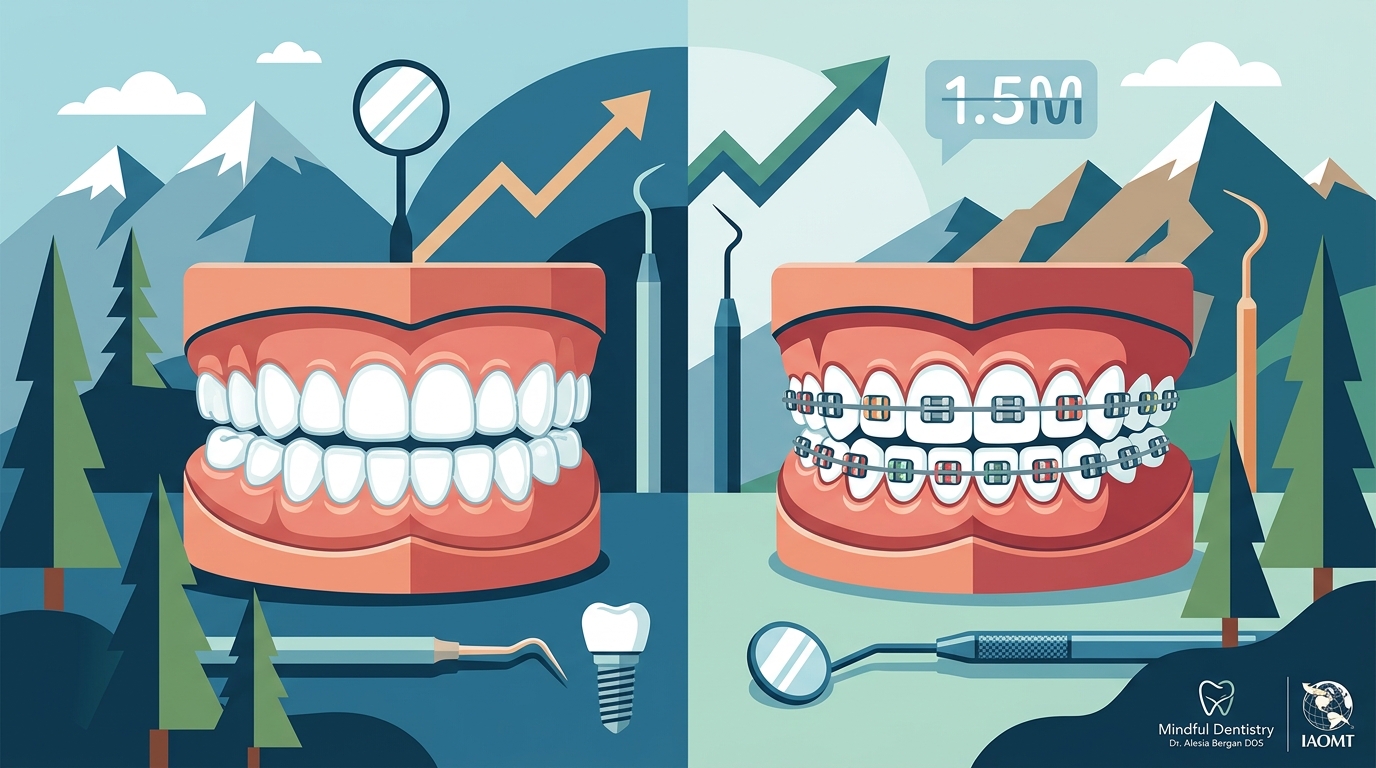
The fundamental difference between these two modalities lies in how force is applied to the teeth. Traditional metal braces consist of brackets bonded directly to the tooth surface, connected by a wire that exerts continuous pressure. This method allows for precise, three-dimensional control over tooth movement, making it the gold standard for complex malocclusions. Clear braces, often referred to as clear aligners, utilize a series of custom-made, removable plastic trays. Each tray applies incremental force to shift teeth slightly before moving to the next stage of the series.
Clear aligners are designed for patients who prioritize aesthetics and convenience. They are virtually invisible when worn, which is a significant advantage for adults in professional settings. However, their efficacy is highly dependent on patient compliance. Because they are removable, patients must wear them for 20 to 22 hours per day to achieve the desired results. Failure to adhere to this schedule can prolong treatment time or compromise the final outcome. In contrast, metal braces are fixed to the teeth, ensuring that the treatment progresses exactly as planned by the orthodontist, regardless of patient behavior.
For severe cases involving significant crowding, rotation, or bite issues, traditional braces often provide superior results. The fixed nature of the appliance allows orthodontists to apply forces that clear aligners cannot replicate. According to recent clinical studies, metal braces remain the most effective option for complex orthodontic corrections. Clear aligners have improved dramatically in recent years, but they still have limitations regarding the extent of tooth movement they can safely achieve.
Aesthetic Considerations for Professionals
In today's image-conscious society, the visual impact of orthodontic treatment is a major concern for many patients. Clear braces offer a distinct advantage in this regard. The transparent material blends seamlessly with the natural color of the teeth, making them nearly undetectable to casual observers. This discretion is particularly valuable for individuals in public-facing roles, such as sales, hospitality, or media, where appearance can influence professional perceptions.
Traditional metal braces, while highly effective, are unmistakably visible. The brackets and wires create a noticeable contrast against the tooth enamel. Some patients may feel self-conscious about their appearance during treatment, which can impact social interactions and confidence. However, technological advancements in metal braces have led to smaller brackets and thinner wires, reducing their visual prominence. Additionally, patients can choose colored bands to personalize their look, turning the braces into a fashion statement rather than a source of anxiety.
For those who prioritize a subtle approach to dental correction, clear aligners are often the preferred choice. They allow patients to undergo treatment without drawing attention to their orthodontic work. This aesthetic benefit is a key driver in the growing popularity of clear aligner therapy among adults. At Mindful Dentistry Boulder, we evaluate each patient's aesthetic goals to determine if clear aligners are a viable option for their specific case.
Comfort and Hygiene Factors
Comfort is a significant differentiator between clear braces and traditional metal braces. Metal braces can cause irritation to the soft tissues of the mouth, such as the cheeks and lips, due to the brackets and wires. Patients often experience soreness after adjustments, which can last for a few days. Additionally, certain foods must be avoided to prevent damage to the braces, such as sticky candies, hard nuts, and popcorn. This dietary restriction can be inconvenient for social dining and travel.
Clear aligners, on the other hand, are made from smooth plastic that is less likely to irritate the gums and cheeks. While there may be some pressure or discomfort when switching to a new set of aligners, it is generally less intense than the soreness associated with metal brace adjustments. Furthermore, clear aligners are removable, which simplifies oral hygiene routines. Patients can brush and floss normally, reducing the risk of plaque buildup, gum inflammation, and tooth decay. This ease of maintenance is a significant advantage for long-term oral health.
Hygiene is a critical aspect of orthodontic treatment. With metal braces, food particles can easily get trapped around the brackets and wires, requiring meticulous cleaning with special tools like interdental brushes and water flossers. Clear aligners eliminate this issue by allowing patients to remove the appliance during meals and cleaning. This feature promotes better oral health outcomes and reduces the likelihood of white spot lesions, which are permanent marks left on the teeth after braces are removed. For more information on maintaining oral health during treatment, visit our blog.
Cost and Treatment Timeline
Cost is a major factor in the decision-making process for orthodontic treatment. Generally, traditional metal braces are more affordable than clear aligners. The average cost of metal braces in the United States ranges from $3,000 to $7,000, depending on the complexity of the case and the geographic location. Clear aligners typically cost between $4,000 and $8,000, reflecting the technology and customization involved in their production.
Treatment duration also varies between the two options. Metal braces often provide faster results for complex cases, with an average treatment time of 18 to 24 months. Clear aligners may take longer, typically ranging from 12 to 18 months for mild to moderate cases. However, the timeline for clear aligners can be extended if the patient does not wear them as prescribed. It is essential to have a realistic expectation of the treatment duration based on individual dental needs.
Insurance coverage may also influence the financial decision. Many dental insurance plans cover a portion of orthodontic treatment, regardless of the method chosen. However, the specific coverage limits and benefits can vary widely between providers. Patients should consult with their insurance company to understand their coverage details. At Mindful Dentistry Boulder, we work with patients to explore financing options and maximize their insurance benefits to make treatment more accessible.
Patient Candidacy and Suitability
Not every patient is a candidate for clear aligners. The suitability of clear braces depends on the severity of the orthodontic issue, the patient's age, and their ability to comply with the wear schedule. Clear aligners are most effective for mild to moderate cases of crowding, spacing, and minor bite corrections. They are less suitable for severe malocclusions, significant jaw discrepancies, or cases requiring complex tooth movements.
Traditional metal braces are suitable for almost all orthodontic cases, regardless of complexity. They are often the recommended option for children and teenagers who may not be reliable enough to wear clear aligners consistently. The fixed nature of metal braces ensures that treatment progresses as planned, even if the patient is less compliant. For patients with severe dental anxiety, our dental anxiety relief protocols can make metal braces a more manageable option.
During a consultation, an orthodontist will evaluate the patient's dental structure, bite, and overall oral health to determine the best treatment option. This assessment includes taking digital scans, X-rays, and photographs to create a comprehensive treatment plan. The goal is to achieve a healthy, functional, and aesthetically pleasing smile. For those interested in restorative options beyond orthodontics, we also offer dental implants and other restorative services.
Key Takeaways
- Aesthetic Discretion: Clear braces are virtually invisible, making them ideal for professionals who prioritize a subtle appearance during treatment.
- Complexity Handling: Traditional metal braces remain the most effective option for severe malocclusions and complex tooth movements.
- Hygiene Benefits: Clear aligners are removable, allowing for normal brushing and flossing, which reduces the risk of gum disease and decay.
- Cost Variance: Metal braces are generally more affordable, with costs ranging from $3,000 to $7,000, while clear aligners typically cost $4,000 to $8,000.
- Compliance Requirement: Clear aligners require 20-22 hours of daily wear to be effective, whereas metal braces work continuously without patient intervention.
- Dietary Restrictions: Metal braces require avoiding hard and sticky foods, while clear aligners allow for normal eating when removed.
- Treatment Duration: Metal braces often provide faster results for complex cases, while clear aligners may take longer but offer greater flexibility.
Frequently Asked Questions
Are clear braces as effective as metal braces?
Clear braces are highly effective for mild to moderate orthodontic issues. However, for complex cases involving severe crowding or bite corrections, traditional metal braces are often more effective due to their ability to apply precise, continuous force.
How long does treatment with clear braces take?
Treatment with clear braces typically lasts between 12 and 18 months for mild to moderate cases. The exact duration depends on the complexity of the dental issues and the patient's compliance with wearing the aligners.
Can I eat whatever I want with clear braces?
Yes, you can eat whatever you want with clear braces because they are removable. However, you must remove the aligners before eating and drinking anything other than water to prevent damage and staining.
Do clear braces hurt?
Clear braces generally cause less discomfort than metal braces. While there may be some pressure when switching to a new set of aligners, it is usually less intense than the soreness associated with metal brace adjustments.
What is the average cost of clear braces in Boulder?
The average cost of clear braces in Boulder ranges from $4,000 to $8,000, depending on the complexity of the case and the specific treatment plan. This is typically higher than the cost of traditional metal braces.
Are clear braces suitable for teenagers?
Clear braces can be suitable for teenagers who are responsible enough to wear them for the required 20-22 hours per day. However, metal braces are often recommended for younger patients who may struggle with compliance.
How do I maintain oral hygiene with clear braces?
Maintaining oral hygiene with clear braces is straightforward. You can brush and floss normally when the aligners are removed. It is also important to clean the aligners regularly to prevent bacterial buildup.
What is the difference between clear braces and Invisalign?
Clear braces is a general term for clear aligner therapy, while Invisalign is a specific brand of clear aligners. Both options offer similar benefits, but the effectiveness can vary depending on the provider's expertise and the specific aligner system used.
Schedule Your Consultation Today
Choosing between clear braces and traditional metal braces is a personal decision that depends on your dental needs, aesthetic preferences, and lifestyle. At Mindful Dentistry Boulder, we are committed to providing personalized care that addresses your unique concerns. Our experienced team is here to guide you through the process, ensuring you achieve a healthy and beautiful smile. Contact us today to schedule your consultation and take the first step towards your orthodontic goals.