

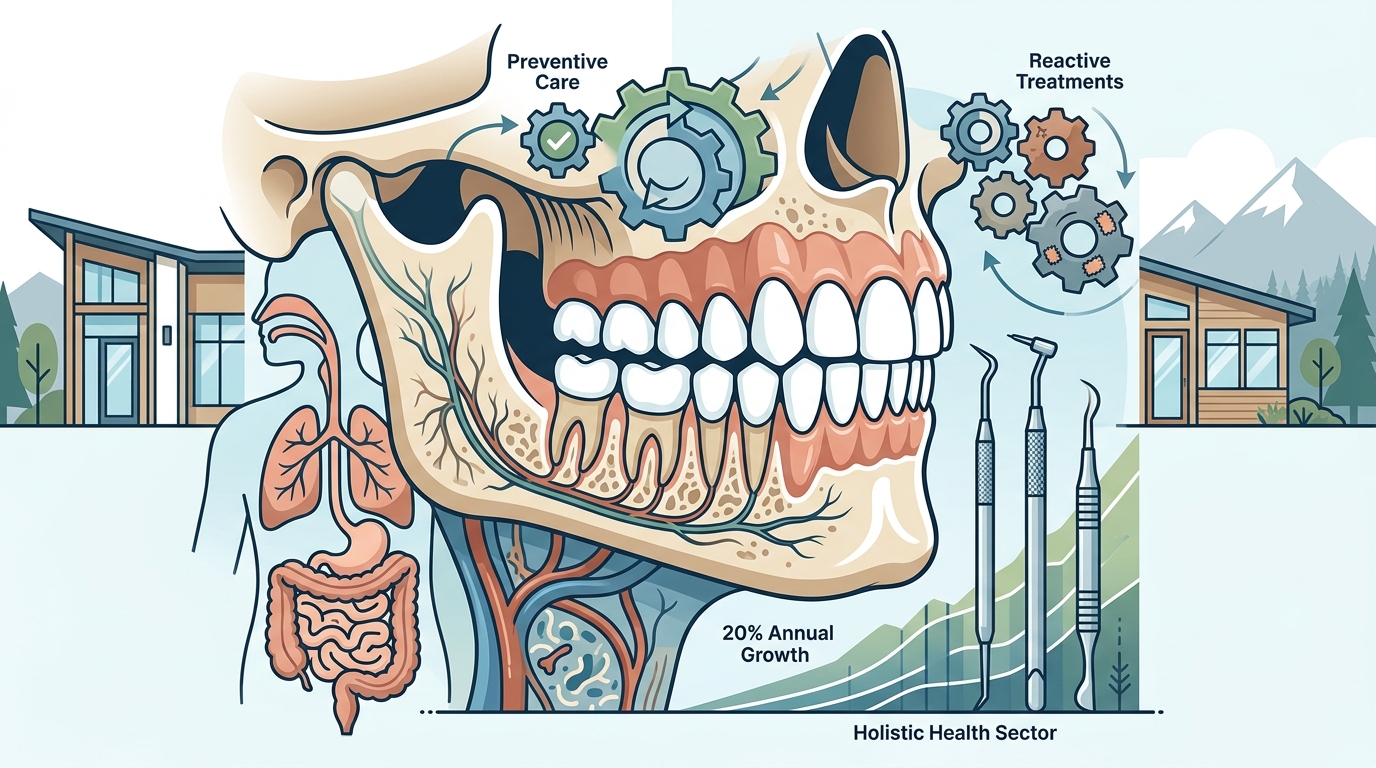
Functional dentistry is rapidly becoming the standard of care for patients seeking long-term oral health solutions in Boulder. According to recent industry analyses, the holistic health sector has seen a 20% annual growth rate as more individuals prioritize preventive care over reactive treatments. This shift reflects a broader understanding that oral health is inextricably linked to systemic wellness. At Mindful Dentistry, we address the confusion surrounding this specialized field by clarifying what functional dentistry actually entails and how it differs from traditional practices.
What Is Functional Dentistry?
Functional dentistry is a comprehensive approach to oral health that focuses on identifying and treating the root causes of dental disease rather than merely addressing symptoms. This model views the mouth as a reflection of the body's overall health. It integrates principles from nutrition, toxicology, and physiology to create personalized treatment plans. The goal is to restore balance and promote healing through minimally invasive techniques.
Unlike traditional dentistry, which often relies on drilling and filling, functional dentistry emphasizes prevention and education. Patients are empowered to make lifestyle changes that support their oral and systemic health. This approach is particularly relevant in Boulder, where the community places a high value on wellness and natural living. Dr. Alesia Bergan and her team specialize in this patient-centered model, ensuring that every treatment plan aligns with the individual's health goals.
Common Myths Debunked
Despite its growing popularity, functional dentistry is surrounded by misconceptions. Addressing these myths is crucial for patients considering this path. Below, we clarify the most common misunderstandings.
Myth 1: It Is Only for Holistic Enthusiasts
Many believe that functional dentistry is only for those who strictly adhere to alternative medicine. In reality, it is based on scientific evidence and clinical research. The principles of functional medicine are supported by a growing body of literature linking oral health to conditions like heart disease, diabetes, and autoimmune disorders. Research published in the Journal of Periodontology highlights the significant impact of periodontal disease on systemic inflammation.
Myth 2: It Rejects All Traditional Treatments
Functional dentistry does not reject all traditional treatments. Instead, it evaluates them critically. For example, while amalgam fillings are often avoided due to mercury content, composite fillings are used when necessary. Similarly, root canals may be considered in specific cases, though extraction and replacement with implants are often preferred to eliminate infection sources. The decision is always based on the best outcome for the patient's health.
Myth 3: It Is Too Expensive
While some functional treatments may have higher upfront costs, they often save money in the long run by preventing recurring issues. Preventive care reduces the need for extensive restorative work. Additionally, many practices offer payment plans to make care accessible. Healthline reports that preventive healthcare strategies can reduce overall medical costs by improving patient outcomes.
The Diagnostic Process
A thorough diagnostic process is the cornerstone of functional dentistry. This involves more than just a visual exam. Practitioners use advanced imaging and laboratory tests to assess oral health comprehensively.
Comprehensive Oral Cancer Screening
Early detection of oral cancer is critical. Functional dentists perform detailed screenings that look for subtle changes in tissue health. This proactive approach ensures that any abnormalities are addressed immediately.
Biomaterial Toxicity Testing
Testing for biomaterial toxicity helps identify adverse reactions to dental materials. This is particularly important for patients with multiple fillings or a history of sensitivities. By identifying toxic materials, practitioners can safely remove them and replace them with biocompatible alternatives.
Nutritional Assessment
Nutrition plays a vital role in oral health. A functional dentist will assess your diet to identify deficiencies that may contribute to dental issues. For instance, a lack of vitamin D can impact bone density in the jaw. The Mayo Clinic states that adequate vitamin D intake is essential for calcium absorption and bone health.
Treatment Options and Materials
Functional dentistry offers a range of treatments designed to promote healing and prevent disease. These options are tailored to each patient's unique needs.
Biocompatible Fillings
Biocompatible fillings are made from materials that are safe and non-toxic. These include composite resins and ceramic materials. They are chosen for their ability to integrate well with the body's tissues. Dental implants are another popular option for replacing missing teeth, offering a durable and natural-looking solution.
Mercury Amalgam Removal
Safe removal of mercury amalgam fillings is a key service. This process follows strict protocols to minimize exposure to mercury vapor. Patients are monitored throughout the procedure to ensure their safety. The goal is to eliminate toxic load and improve overall health.
Bruxism and TMJ Treatment
Bruxism, or teeth grinding, can cause significant damage to the teeth and jaw. Functional dentists provide custom night guards and other therapies to alleviate symptoms. Bruxism grinding treatment focuses on addressing the underlying causes, such as stress or misalignment.
Clear Aligners and Orthodontics
Orthodontic treatment is not just about straightening teeth. It also improves bite function and oral hygiene. Clear braces offer a discreet and effective way to correct alignment issues. Proper alignment reduces the risk of gum disease and tooth wear.
Insurance and Cost Considerations
Understanding the financial aspects of functional dentistry is important for patients. While some services may not be fully covered by insurance, many practices offer flexible payment options.
Insurance Coverage
Insurance coverage varies depending on the procedure. Basic preventive care is often covered, while specialized treatments may require out-of-pocket payment. It is advisable to check with your insurance provider before starting treatment.
Payment Plans
Many functional dentists offer payment plans to make care more affordable. These plans allow patients to spread the cost of treatment over time. This approach ensures that financial constraints do not prevent patients from receiving necessary care.
Value of Preventive Care
Investing in preventive care can lead to significant savings over time. By addressing issues early, patients can avoid costly and invasive procedures. This long-term perspective is a key benefit of functional dentistry.
Key Takeaways
- Functional dentistry focuses on root causes and systemic health, not just symptoms.
- It is based on scientific evidence and integrates principles from nutrition and toxicology.
- Biocompatible materials are preferred to minimize toxicity and promote healing.
- Comprehensive diagnostics include imaging, testing, and nutritional assessment.
- Safe mercury amalgam removal is a critical service for reducing toxic load.
- Preventive care offers long-term cost savings by avoiding extensive restorative work.
- Payment plans and flexible options make functional dentistry accessible to more patients.
Frequently Asked Questions
What is the difference between functional dentistry and traditional dentistry?
Functional dentistry focuses on identifying and treating the root causes of dental disease, considering the whole body. Traditional dentistry often focuses on treating symptoms, such as cavities, with fillings and crowns. Functional dentistry emphasizes prevention and lifestyle changes.
Is functional dentistry covered by insurance?
Coverage varies by provider and procedure. Preventive care is often covered, while specialized treatments like biomaterial testing may not be. It is best to check with your insurance company for specific details.
How do I know if I need functional dentistry?
If you have chronic oral health issues, sensitivities to dental materials, or systemic health concerns, functional dentistry may be beneficial. A consultation can help determine if this approach is right for you.
What materials are used in functional dentistry?
Biocompatible materials such as composite resins and ceramics are commonly used. These materials are chosen for their safety and ability to integrate with the body's tissues.
How long does mercury amalgam removal take?
The duration depends on the number of fillings and the complexity of the case. The process follows strict safety protocols to minimize exposure. Patients are monitored throughout the procedure.
Can functional dentistry help with TMJ disorders?
Yes, functional dentists address TMJ disorders by identifying underlying causes such as bite misalignment or stress. Custom night guards and other therapies can provide relief.
What should I expect during my first visit?
Your first visit includes a comprehensive exam, discussion of your health history, and development of a personalized treatment plan. This ensures that all aspects of your oral and systemic health are considered.
Schedule Your Consultation
Take the first step towards better oral health by scheduling a consultation with Mindful Dentistry in Boulder. Our team is dedicated to providing compassionate, evidence-based care that addresses your unique needs. Contact us today to learn more about how functional dentistry can improve your life.