

How Holistic Dentistry Redefines Dental Implant Placement
Holistic dentistry approaches dental implant placement by prioritizing the patient's overall systemic health and biological compatibility over purely mechanical fixation. Instead of viewing the jawbone in isolation, practitioners assess how oral health interacts with the rest of the body. This philosophy ensures that implants integrate safely with the patient's unique physiology, reducing long-term complications. At Mindful Dentistry in Boulder, Colorado, this patient-centered model guides every stage of the implant process. according to PDF A Literature For additional details, review the mindfuldentistryboulder com.
The Core Philosophy of Biological Integration
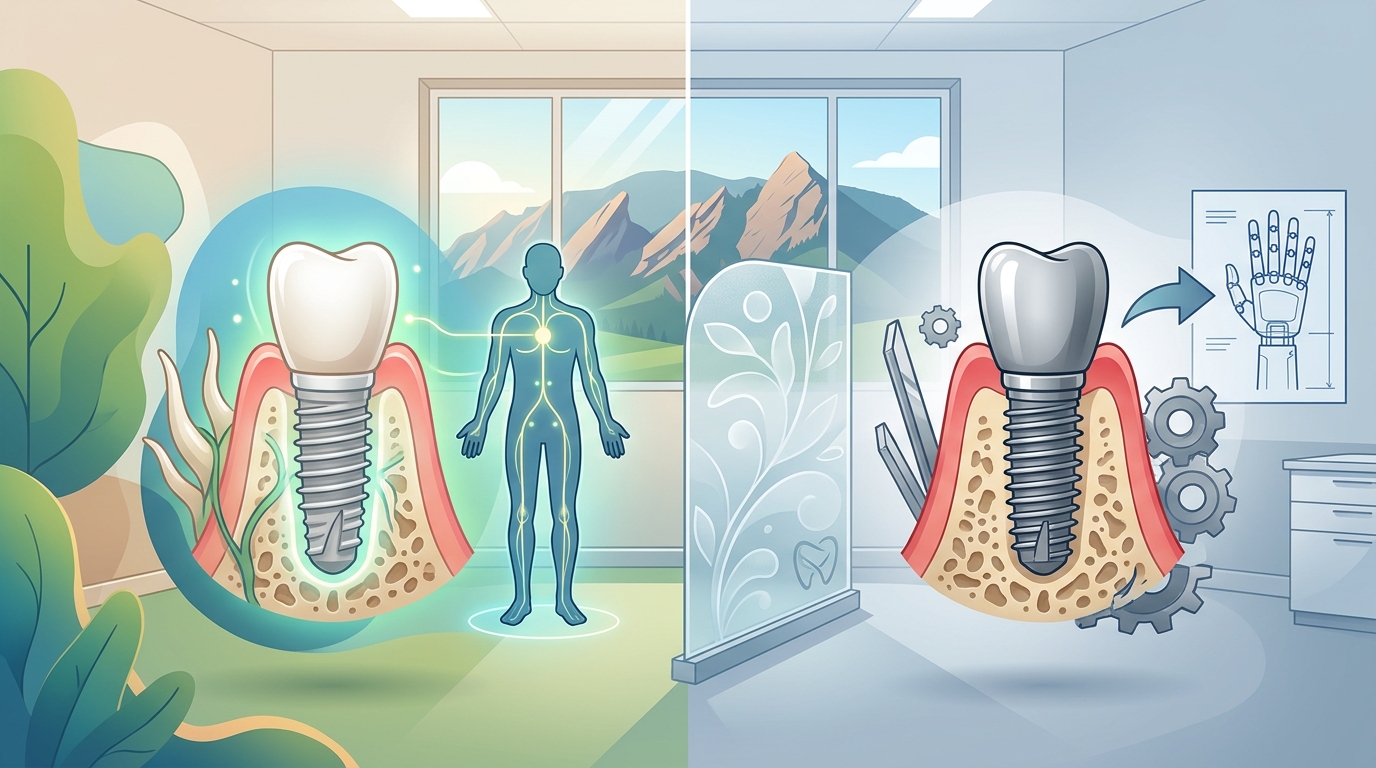
Conventional dentistry often treats the mouth as a separate mechanical system. In contrast, holistic dentistry is a practice model that views oral health as an integral component of overall systemic well-being. This perspective shifts the focus from simply replacing a missing tooth to restoring function without compromising the body's natural healing processes. The goal is to create a harmonious relationship between the implant and the host tissue. For additional details, review the Frequently Asked Questions.
Practitioners in this field evaluate the patient's entire medical history before proceeding with surgery. They look for signs of systemic inflammation, autoimmune conditions, or metabolic disorders that could affect bone density or healing. By addressing these underlying factors, the dentist can mitigate risks that conventional approaches might overlook. This comprehensive assessment ensures that the implant serves as a long-term solution rather than a temporary fix. For additional details, review the About.
Material Selection and Biocompatibility
One of the most significant differences lies in the choice of implant materials. Conventional implants typically use standard titanium alloys, which are generally well-tolerated but may not suit every patient. Holistic dentistry is a discipline that prioritizes biocompatibility, seeking materials that minimize immune response and allergic reactions. This careful selection process is crucial for patients with known sensitivities or metal allergies.
Surgical Techniques and Minimally Invasive Care
Surgical execution in holistic dentistry emphasizes minimally invasive techniques to reduce trauma and accelerate recovery. Conventional methods may involve more extensive drilling and tissue manipulation, which can lead to longer healing times. Holistic practitioners focus on precision and gentleness, using advanced digital technologies to plan the procedure. This reduces the physical stress on the patient and preserves surrounding bone structure.
Digital planning tools allow for precise placement of the implant, minimizing the need for large incisions. This precision is supported by advances in surgical techniques that are transforming clinical practice and offering improved outcomes for patients. By reducing surgical trauma, the body can heal more efficiently, which is particularly beneficial for patients with compromised immune systems or chronic conditions. The use of laser technology and guided surgery further enhances accuracy and reduces post-operative discomfort.
The implication of these techniques is a more comfortable and predictable recovery experience. Patients often report less swelling and pain compared to traditional methods. Mindful Dentistry incorporates these advanced, gentle techniques to ensure that the implant placement process is as stress-free and efficient as possible.
Systemic Health and Pre-Operative Assessment
By addressing systemic factors, holistic dentists can identify and manage risks that might otherwise lead to implant failure. This proactive approach ensures that the implant is placed in a healthy, supportive environment. Patients at Mindful Dentistry benefit from this comprehensive assessment, which helps tailor the treatment plan to their specific health profile.
Post-Operative Care and Long-Term Maintenance
Post-operative care in holistic dentistry focuses on supporting the body's natural healing processes through lifestyle and dietary adjustments. Conventional aftercare instructions often focus primarily on pain management and hygiene. Holistic practitioners provide guidance on nutrition, stress reduction, and avoiding inflammatory triggers. This holistic aftercare plan helps minimize complications and promotes faster, more complete healing.
Long-term maintenance is also approached differently. Holistic dentists emphasize the importance of regular check-ups that monitor both the implant and the patient's overall health. They look for signs of systemic inflammation that could affect the implant site over time. This ongoing monitoring ensures that the implant remains stable and functional for decades. The focus is on prevention and early intervention rather than reactive treatment.
The implication of this long-term perspective is a more durable and successful outcome. Patients are empowered to take an active role in their oral and systemic health. Mindful Dentistry provides comprehensive aftercare guidance to ensure that patients maintain their implants and overall well-being for the long term.
Key Takeaways
- Holistic dentistry views oral health as part of overall systemic well-being, not in isolation.
- Biocompatible materials like zirconia are often preferred to minimize immune response and allergic reactions.
- Minimally invasive surgical techniques reduce trauma and accelerate recovery times.
- Long-term maintenance involves monitoring both the implant and the patient's overall health.
- Personalized treatment plans ensure that implants align with the patient's unique biological needs.
Frequently Asked Questions
What is the main difference between holistic and conventional dental implants?
The main difference is the focus on systemic health and biocompatibility. Holistic dentistry considers the patient's overall health and chooses materials that minimize immune response, while conventional dentistry focuses primarily on mechanical fixation and local oral health.
Are zirconia implants better than titanium implants?
Zirconia implants are often preferred in holistic dentistry for their biocompatibility and non-metallic nature. They are a good option for patients with metal sensitivities or allergies, though titanium remains a standard and effective choice for many patients.
How does holistic dentistry handle dental anxiety?
Holistic practices often incorporate relaxation techniques, sedation options, and a calming environment to reduce anxiety. The focus on gentle, minimally invasive care also helps patients feel more comfortable during the procedure.
Can holistic dentists treat patients with chronic conditions?
Yes, holistic dentists are well-equipped to treat patients with chronic conditions. They work closely with the patient's primary care provider to ensure that systemic health factors are managed before and after implant placement.
How long does recovery take for a holistic dental implant?
Recovery times can vary, but minimally invasive techniques often lead to faster healing. Most patients can return to normal activities within a few days, though full osseointegration takes several months. Learn more: mindfuldentistryboulder com.