

Material Composition and Biocompatibility
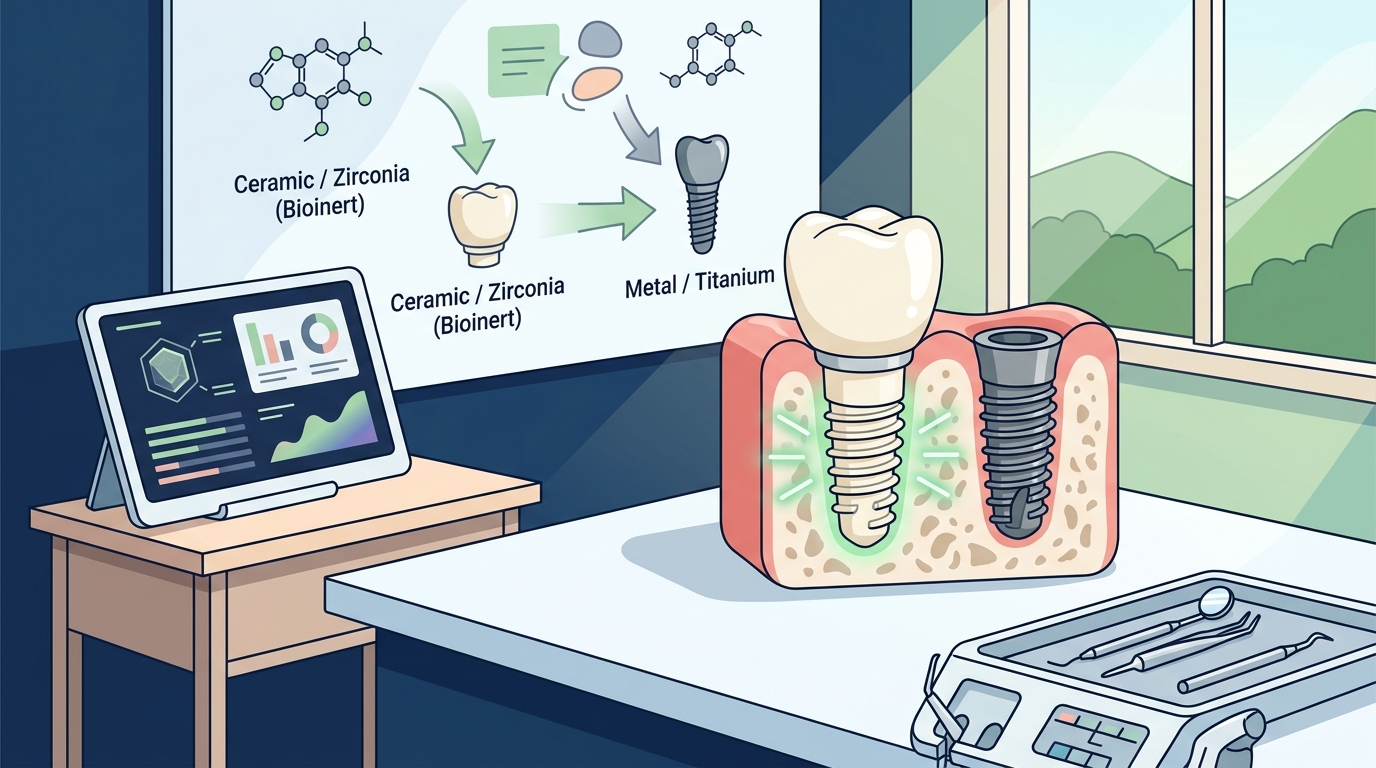
Traditional dental implants are primarily made of titanium, a metal that has been the standard for decades. Ceramic dental implants is a term often used to describe materials like zirconia, which is a high-strength ceramic oxide. Zirconia is a bioinert material, meaning it does not react with the body's tissues or fluids. This property is crucial for patients who may have sensitivities to metals or who prefer to avoid foreign metallic elements in their bodies. For additional details, review the 403 Forbidden.
The Role of Zirconia
Zirconia, or zirconium dioxide, is known for its exceptional strength and durability. It is often used in multi-unit restorations because it can withstand the forces of chewing. Unlike titanium, zirconia does not conduct electricity or heat, which can be a comfort factor for some patients. The material is also highly resistant to corrosion, ensuring long-term stability within the jawbone. For additional details, review the .
The Holistic Dentistry Philosophy
Why Holistic Dentists Prefer Ceramic
Clinical Advantages and Aesthetics
One of the most visible benefits of ceramic implants is their natural appearance. Zirconia has a white, tooth-like color that blends seamlessly with natural teeth. This is particularly important for front teeth, where the visibility of the implant is high. Titanium implants can sometimes show a grayish hue through thin gums, which may not be aesthetically pleasing. Ceramic materials avoid this issue, providing a more natural look. For additional details, review the Customer Experience.
Strength and Durability
Patient Considerations and Suitability
Not every patient is a candidate for ceramic implants. Bone density and jaw structure play a significant role in determining the best implant material. Dr. Bergan and her team at Mindful Dentistry conduct thorough evaluations to ensure that each patient receives the most suitable treatment. For some patients, titanium may still be the recommended option due to specific anatomical factors. The decision is always personalized, taking into account the patient's health history and preferences. For additional details, review the Frequently Asked Questions.
Consultation and Planning
A detailed consultation is the first step in choosing the right implant material. During this visit, the dentist will discuss the patient's concerns, health history, and aesthetic goals. Imaging and diagnostic tools are used to assess the jawbone and plan the placement. This careful planning ensures that the chosen material, whether ceramic or titanium, will provide the best possible outcome. Patients are encouraged to ask questions and express any concerns about metal sensitivity or holistic preferences. For additional details, review the About.
| Material | Metal (Titanium) | Ceramic (Zirconia) |
| Biocompatibility | High, but may cause sensitivity in some | Very high, bioinert |
| Aesthetics | May show grayish hue | Natural white color |
| Strength | High | Very high |
| Holistic Preference | Less preferred by some holistic patients | Preferred for metal-free approach |
Key Takeaways
- Ceramic and zirconia implants are metal-free alternatives to traditional titanium implants.
- Zirconia is a bioinert material that does not react with body tissues.
- Modern zirconia implants are strong and durable, suitable for various restorations.
- Personalized consultation is essential to determine the best implant material for each patient.
Frequently Asked Questions
What is the main difference between ceramic and titanium implants?
The main difference is the material. Ceramic implants are made from zirconia, a non-metal material, while titanium implants are made from metal. Ceramic implants are preferred by those who want to avoid metal in their bodies.
Are zirconia implants as strong as titanium?
Yes, modern zirconia implants are engineered to be very strong and durable. They can withstand the forces of chewing and are suitable for both single and multi-unit restorations.
Why do holistic dentists prefer ceramic implants?
Can I get ceramic implants at Mindful Dentistry?
Do ceramic implants look natural?
Yes, ceramic implants have a natural white color that blends well with natural teeth. They are especially popular for front teeth where aesthetics are important.
Is the procedure for ceramic implants different from titanium?
The placement procedure is similar for both materials. The main difference is the material of the implant itself. The dentist will choose the best material based on your specific needs and preferences.