

Airway-focused dentistry represents a paradigm shift in oral health, moving beyond simple cavity prevention to address systemic wellness through breathing mechanics. Recent clinical data indicates that obstructive sleep apnea affects approximately 22 million adults in the United States, yet fewer than 20% receive a formal diagnosis. This gap in care highlights the critical need for dental professionals who specialize in airway management. At Mindful Dentistry Boulder, we integrate these advanced diagnostic protocols to treat the root cause of sleep disorders rather than just the symptoms. Understanding the financial landscape of this specialized care is essential for patients seeking long-term health improvements.
What Is Airway-Focused Dentistry?
Airway-focused dentistry is a specialized branch of dental care that evaluates and treats the structural and functional aspects of the upper airway. This approach recognizes that proper breathing is foundational to overall health, influencing sleep quality, facial development, and cardiovascular function. Traditional dentistry often treats teeth in isolation, whereas airway dentistry assesses how the jaw, tongue, and palate interact to facilitate unobstructed breathing.
At Mindful Dentistry Boulder, we utilize advanced imaging and diagnostic tools to identify airway restrictions. This holistic method is particularly relevant for patients suffering from sleep apnea, snoring, or chronic fatigue. By addressing these issues early, we can prevent serious health complications associated with poor oxygenation. Our practice in Boulder, Colorado, is dedicated to providing comprehensive care that bridges the gap between dental health and medical wellness.
Cost Breakdown of Airway Treatments
The cost of airway-focused dentistry varies significantly based on the severity of the airway obstruction and the specific treatment plan required. Unlike standard fillings or cleanings, these procedures often involve custom appliances, orthodontic adjustments, or surgical referrals. Patients should anticipate a range of expenses depending on whether they opt for non-invasive oral appliances or more complex interventions.
Diagnostic Expenses
Initial diagnostics form the foundation of any airway treatment plan. This typically includes a detailed medical history review, intraoral scans, and potentially sleep study referrals. While some diagnostic costs may be covered by insurance if a medical necessity is established, many patients pay out-of-pocket for comprehensive airway assessments. These initial evaluations are crucial for determining the appropriate course of action.
Oral Appliance Therapy
Oral appliance therapy is a common non-surgical treatment for mild to moderate sleep apnea. These custom-fitted devices reposition the jaw and tongue to keep the airway open during sleep. The cost for these appliances generally ranges from $1,500 to $3,000. This price point reflects the precision engineering and materials used to ensure comfort and efficacy. At Mindful Dentistry Boulder, we ensure that each appliance is tailored to the patient's unique anatomical needs.
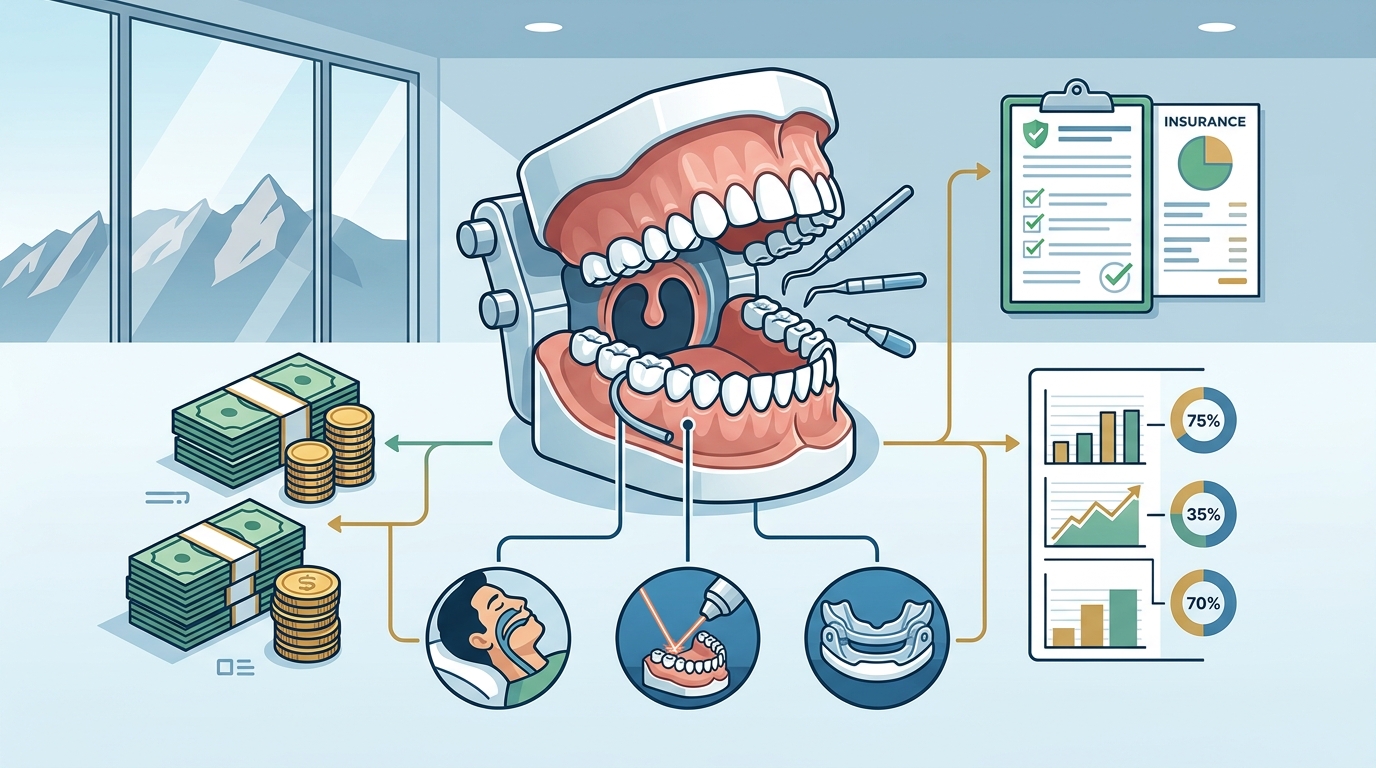
Orthodontic and Surgical Options
In cases where airway restriction is severe or structural, orthodontic expansion or surgical intervention may be necessary. These treatments are significantly more expensive, often exceeding $5,000 to $10,000 or more. However, they offer permanent solutions for airway obstruction. Patients considering these options should consult with our team to understand the long-term benefits versus the initial investment.
Insurance Coverage and Nuances
Navigating insurance coverage for airway-focused dentistry can be complex. Most standard dental insurance plans do not explicitly cover airway treatments, as they are often classified as medical rather than dental procedures. However, there are pathways to reimbursement that patients should explore.
Medical Insurance vs. Dental Insurance
Medical insurance is more likely to cover sleep apnea treatments, including oral appliances, if a formal diagnosis is provided by a sleep specialist. According to the American Academy of Sleep Medicine, proper diagnosis is a prerequisite for insurance approval. Patients should work closely with their physicians to obtain the necessary documentation. Dental insurance may cover the dental components of the treatment, such as the fabrication of the appliance, but rarely the medical evaluation.
Flexible Spending Accounts (FSA) and HSA
Flexible Spending Accounts (FSA) and Health Savings Accounts (HSA) are valuable resources for covering airway dentistry costs. These accounts allow patients to use pre-tax dollars for qualified medical expenses, including many sleep apnea treatments. This can result in significant savings, effectively reducing the out-of-pocket cost by the patient's marginal tax rate. It is advisable to check with your insurance provider to confirm which specific codes are eligible for reimbursement.
Pre-authorization and Appeals
Pre-authorization is a critical step in securing insurance coverage. Our team at Mindful Dentistry Boulder can assist with the pre-authorization process by providing detailed clinical notes and justification for the treatment. If a claim is denied, patients have the right to appeal. A well-documented appeal, supported by clinical evidence, often results in successful reimbursement. Persistence is key in navigating these administrative hurdles.
Treatment Comparison Overview
Understanding the differences between various airway treatments helps patients make informed financial and health decisions. The table below summarizes the key characteristics of common interventions.
| Treatment Type | Typical Cost Range | Insurance Coverage Potential | Best For |
|---|---|---|---|
| Oral Appliance Therapy | $1,500 - $3,000 | High (if medically necessary) | Mild to moderate sleep apnea |
| Orthodontic Expansion | $3,000 - $8,000 | Mixed (often dental) | Structural airway restrictions |
| Surgical Intervention | $5,000 - $15,000+ | Moderate (medical insurance) | Severe obstruction or anatomical issues |
| Continuous Positive Airway Pressure (CPAP) | $300 - $1,000 | High (standard coverage) | First-line treatment for sleep apnea |
Key Takeaways
- Airway-focused dentistry addresses the root cause of sleep disorders by evaluating breathing mechanics and structural alignment.
- Oral appliance therapy is a cost-effective alternative to CPAP, typically ranging from $1,500 to $3,000.
- Medical insurance is more likely to cover airway treatments than dental insurance, provided a formal sleep diagnosis exists.
- FSA and HSA accounts offer significant tax advantages for paying for qualified airway treatments.
- Pre-authorization and appeals are essential steps in securing insurance reimbursement for complex cases.
- Early intervention in airway health can prevent serious cardiovascular and metabolic complications associated with sleep apnea.
- Mindful Dentistry Boulder provides comprehensive diagnostics and personalized treatment plans for airway-related issues.
Frequently Asked Questions
Does insurance cover airway-focused dentistry?
Insurance coverage depends on the specific plan and the medical necessity of the treatment. Medical insurance often covers sleep apnea treatments, while dental insurance may cover the appliance fabrication. It is crucial to verify benefits with your provider.
What is the average cost of an oral appliance for sleep apnea?
The average cost of a custom oral appliance ranges from $1,500 to $3,000. This price includes the initial fitting, adjustments, and follow-up care to ensure proper function and comfort.
Can I use my FSA or HSA for airway treatments?
Yes, many airway treatments are eligible for reimbursement through FSA and HSA accounts. Patients should retain all receipts and documentation to support their claims.
How is airway-focused dentistry different from traditional dentistry?
Airway-focused dentistry evaluates the entire upper airway and its impact on systemic health, whereas traditional dentistry focuses primarily on oral health and disease prevention. This holistic approach addresses issues like sleep apnea and chronic snoring.
What diagnostic tests are used for airway assessment?
Diagnostics may include intraoral scans, 3D imaging, and sleep study referrals. These tools help identify structural obstructions and functional issues that contribute to airway restriction.
Is oral appliance therapy as effective as CPAP?
For mild to moderate sleep apnea, oral appliance therapy can be equally effective and is often preferred due to its comfort and convenience. However, severe cases may still require CPAP or surgical intervention.
How do I know if I need airway-focused dentistry?
Symptoms such as chronic snoring, daytime fatigue, morning headaches, or diagnosed sleep apnea may indicate a need for airway evaluation. A consultation with a specialist can provide clarity.
Schedule Your Consultation
Taking the first step toward better health begins with a comprehensive evaluation. At Mindful Dentistry Boulder, we are committed to providing personalized care that addresses your unique airway needs. Our team is here to guide you through the diagnostic and treatment process, ensuring you receive the best possible outcomes. Contact us today to schedule your consultation and explore how airway-focused dentistry can improve your quality of life.