

Modern dental care is undergoing a significant paradigm shift. Patients are increasingly seeking providers who look beyond immediate symptoms to address the root causes of oral health issues. This approach, often called functional or holistic dentistry, integrates biological principles with traditional dental practices. According to recent industry analyses, the demand for biocompatible and minimally invasive dental treatments has grown by over 20% in the last five years. This trend reflects a broader cultural movement toward preventive and whole-body health awareness. In Boulder, Colorado, this philosophy is particularly resonant given the community's deep connection to wellness and natural living.
What Is Functional Dentistry?
Functional dentistry is a patient-centered approach that treats the mouth as an integral part of the entire body. Rather than simply drilling and filling cavities, functional dentists investigate how oral health impacts systemic conditions like inflammation, hormonal balance, and immune function. This model prioritizes the use of biocompatible materials and minimally invasive techniques to preserve natural tooth structure.
At Mindful Dentistry Boulder, Dr. Alesia Bergan exemplifies this philosophy. Her practice focuses on creating a safe, calming environment where patients feel empowered to make informed decisions about their health. The goal is not just to fix teeth but to optimize overall wellness through oral care.
Core Principles of Mindful Dental Care
Understanding the core tenets of functional dentistry helps patients evaluate whether this approach aligns with their health goals. These principles distinguish functional practitioners from conventional providers.
Biocompatibility First
One of the most critical aspects of functional dentistry is the selection of materials. Traditional amalgam fillings contain mercury, a neurotoxin that many patients wish to avoid. Functional dentists prefer composite resins, ceramics, and other materials that are less likely to cause adverse reactions. This commitment to safety is vital for long-term health.
Minimally Invasive Techniques
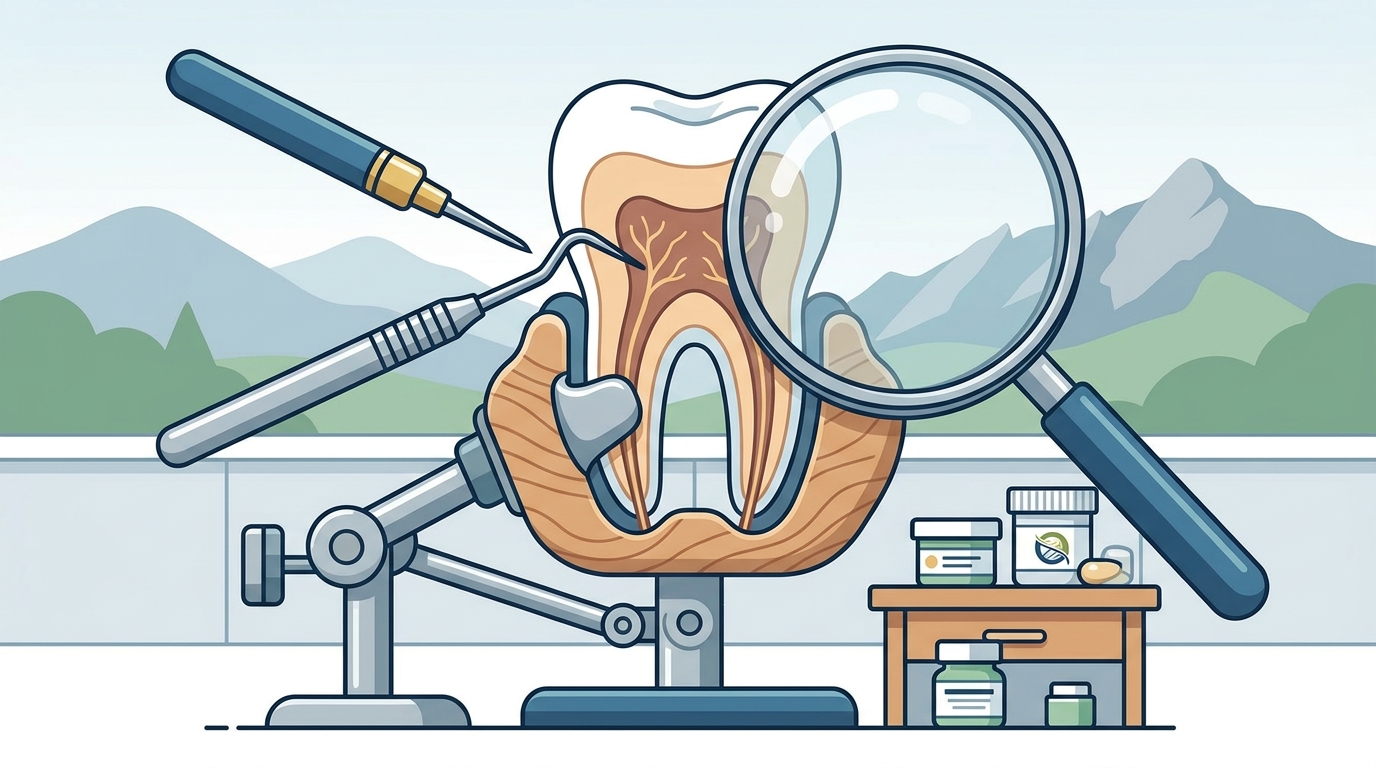
Preserving natural tooth structure is paramount. Instead of aggressive drilling, functional dentists use advanced diagnostics to remove only decayed tissue. This approach maintains the integrity of the tooth and reduces the need for extensive restorations over time. For patients dealing with bruxism grinding, this philosophy extends to creating custom night guards that protect teeth without causing further damage.
Whole-Body Connection
Oral health is inextricably linked to systemic health. Conditions like gum disease have been associated with heart disease, diabetes, and respiratory issues. By addressing oral inflammation early, functional dentists help mitigate these broader health risks. This holistic view ensures that dental care contributes to, rather than detracts from, overall well-being.
Benefits for Boulder Residents
Boulder is known for its health-conscious community. Residents often prioritize organic food, outdoor activities, and natural remedies. Functional dentistry resonates deeply with this lifestyle for several reasons.
Alignment with Wellness Values
Many Boulder residents seek healthcare providers who share their values regarding natural living and environmental sustainability. A dental anxiety relief focused practice often incorporates these values by using eco-friendly materials and reducing waste. This alignment creates a more comfortable and trusting patient-provider relationship.
Preventive Focus
Given the active lifestyle of many Boulderites, preventive care is essential. Regular check-ups and early interventions can prevent minor issues from becoming major problems. This proactive approach saves time and money in the long run. It also ensures that patients can continue their outdoor pursuits without interruption from dental emergencies.
Community Trust
Local practices that engage with the community often build stronger trust. Dr. Alesia Bergan has established a reputation for compassionate care in Boulder. Her practice serves as a trusted resource for families seeking a different dental experience. This local connection is invaluable for patients who value personalized attention.
Functional vs. Traditional Dentistry
Understanding the differences between functional and traditional dentistry helps patients make informed choices. The table below outlines the key distinctions.
| Feature | Functional Dentistry | Traditional Dentistry |
|---|---|---|
| Primary Goal | Whole-body health and prevention | Restoration of function and aesthetics |
| Materials Used | Biocompatible, mercury-free options | Standard amalgam and composites |
| Approach to Decay | Minimally invasive, remineralization | Drilling and filling |
| Diagnostic Scope | Systemic health connections | Localized oral issues |
| Patient Interaction | Collaborative, educational | Provider-directed, procedural |
While traditional dentistry has its place in emergency care and complex restorations, functional dentistry offers a more comprehensive framework for long-term health. For those considering dental implants, functional providers often evaluate bone health and systemic factors to ensure successful integration.
How to Find the Right Provider
Choosing a functional dentist requires careful consideration. Here are some steps to guide your search.
Research Credentials and Philosophy
Look for practitioners who explicitly state their commitment to functional or holistic principles. Review their website and blog content to gauge their educational approach. Mindful Dentistry Boulder's blog offers insights into their philosophy and patient care standards.
Assess Comfort and Communication
Dental visits can be stressful. A good functional dentist will prioritize your comfort and explain procedures in detail. They should welcome questions and involve you in decision-making. If you experience dental anxiety, ensure the practice offers specific protocols to help you relax.
Verify Biocompatibility Standards
Ask about the materials used in fillings, crowns, and implants. A reputable functional dentist will be transparent about their material choices and the rationale behind them. They should also discuss safe removal protocols if you have existing amalgam fillings.
Consider Location and Accessibility
Convenience matters for regular care. Boulder has several excellent options, but finding a provider who aligns with your values is key. Clear braces and other aesthetic options may also be available, depending on the practice's scope.
Key Takeaways
- Functional dentistry treats the mouth as part of the whole body, focusing on prevention and biocompatibility.
- Boulder residents often prefer this approach due to its alignment with local wellness values.
- Key principles include minimally invasive techniques, biocompatible materials, and systemic health awareness.
- Dr. Alesia Bergan at Mindful Dentistry Boulder exemplifies this patient-centered model.
- Choosing a provider involves assessing credentials, comfort levels, and material standards.
- Functional dentistry can help manage conditions like bruxism and dental anxiety effectively.
- Regular preventive care is essential for maintaining long-term oral and systemic health.
Frequently Asked Questions
What is the difference between holistic and functional dentistry?
Holistic dentistry often emphasizes the use of natural remedies and biocompatible materials. Functional dentistry focuses on identifying and treating the root causes of oral disease through a biological lens. Both approaches share a commitment to whole-body health.
Is functional dentistry covered by insurance?
Many insurance plans cover standard dental procedures regardless of the provider's philosophy. However, specific biocompatible materials or alternative therapies may have limited coverage. It is best to check with your provider beforehand.
How do I know if I need a functional dentist?
If you are interested in preventive care, have sensitivities to dental materials, or want to understand the connection between oral and systemic health, functional dentistry may be a good fit. It is also beneficial for those with dental anxiety seeking a gentler approach.
Are mercury fillings removed safely?
Yes, safe removal protocols exist. These typically involve isolation techniques, air filtration, and specific removal methods to minimize exposure. A qualified functional dentist will follow strict safety guidelines during this process.
What types of materials are used in functional dentistry?
Common materials include composite resins, ceramics, and gold. These options are chosen for their durability and biocompatibility. They avoid toxic substances like mercury and BPA, which are sometimes found in traditional materials.
Can functional dentistry help with gum disease?
Yes, by addressing underlying inflammation and promoting a healthy oral microbiome, functional dentists can help manage and reverse early stages of gum disease. This approach focuses on healing rather than just symptom management.
How often should I visit a functional dentist?
Regular check-ups are essential, typically every six months. However, the frequency may vary based on individual health needs. Your provider will create a personalized maintenance plan to support your long-term wellness.
Schedule Your Consultation
Ready to experience a different approach to dental care? Mindful Dentistry Boulder offers personalized consultations to help you understand how functional dentistry can benefit your health. Visit our contact page to schedule an appointment with Dr. Alesia Bergan. Take the first step toward healthier, more mindful dental care today.