
Obstructive sleep apnea affects approximately 22 million adults in the United States, yet a significant portion of those diagnosed struggle with the daily burden of Continuous Positive Airway Pressure (CPAP) therapy. According to the American Academy of Sleep Medicine, adherence rates for CPAP devices often drop below 50% because the mask can feel intrusive and uncomfortable during sleep. This reality has driven a surge in demand for alternative, non-invasive treatments that do not require wearing a machine to bed. For residents in Boulder, Colorado, there are highly effective, holistic pathways to restore restful sleep and protect long-term cardiovascular health without relying on traditional CPAP machines.
Understanding Sleep Apnea and Its Impact
Sleep apnea is a serious sleep disorder characterized by repeated interruptions in breathing during sleep. These interruptions, known as apneas, can last from a few seconds to minutes and may occur 30 times or more per hour. When breathing stops, oxygen levels in the blood drop, forcing the brain to briefly wake up to restart breathing. This cycle fragments sleep, preventing the body from reaching the deep, restorative stages necessary for physical and mental recovery.
The consequences of untreated sleep apnea extend far beyond daytime fatigue. Chronic oxygen deprivation places significant strain on the cardiovascular system. Data from the National Institutes of Health indicates that individuals with untreated sleep apnea are at a higher risk for hypertension, heart disease, stroke, and type 2 diabetes. Furthermore, the resulting daytime drowsiness contributes to a higher incidence of workplace accidents and motor vehicle collisions. Addressing this condition is not merely about improving sleep quality; it is a critical component of preventive healthcare.
CPAP Alternatives for Boulder Residents
While CPAP machines are the gold standard for many patients, they are not the only option. For those who cannot tolerate the pressure or the mask, alternative treatments offer viable paths to better health. The most common and effective alternative is Oral Appliance Therapy (OAT). This approach utilizes custom-fitted dental devices to reposition the jaw and tongue, keeping the airway open naturally during sleep.
Other alternatives include positional therapy, which involves sleeping in specific positions to prevent the tongue from collapsing backward, and surgical interventions for specific anatomical issues. However, for most Boulder residents seeking a balance of efficacy and comfort, custom oral appliances provide the best combination of non-invasiveness and clinical success. These devices are discreet, easy to maintain, and allow for a more natural sleeping experience compared to the mechanical noise and airflow of a CPAP machine.
Oral Appliance Therapy Explained
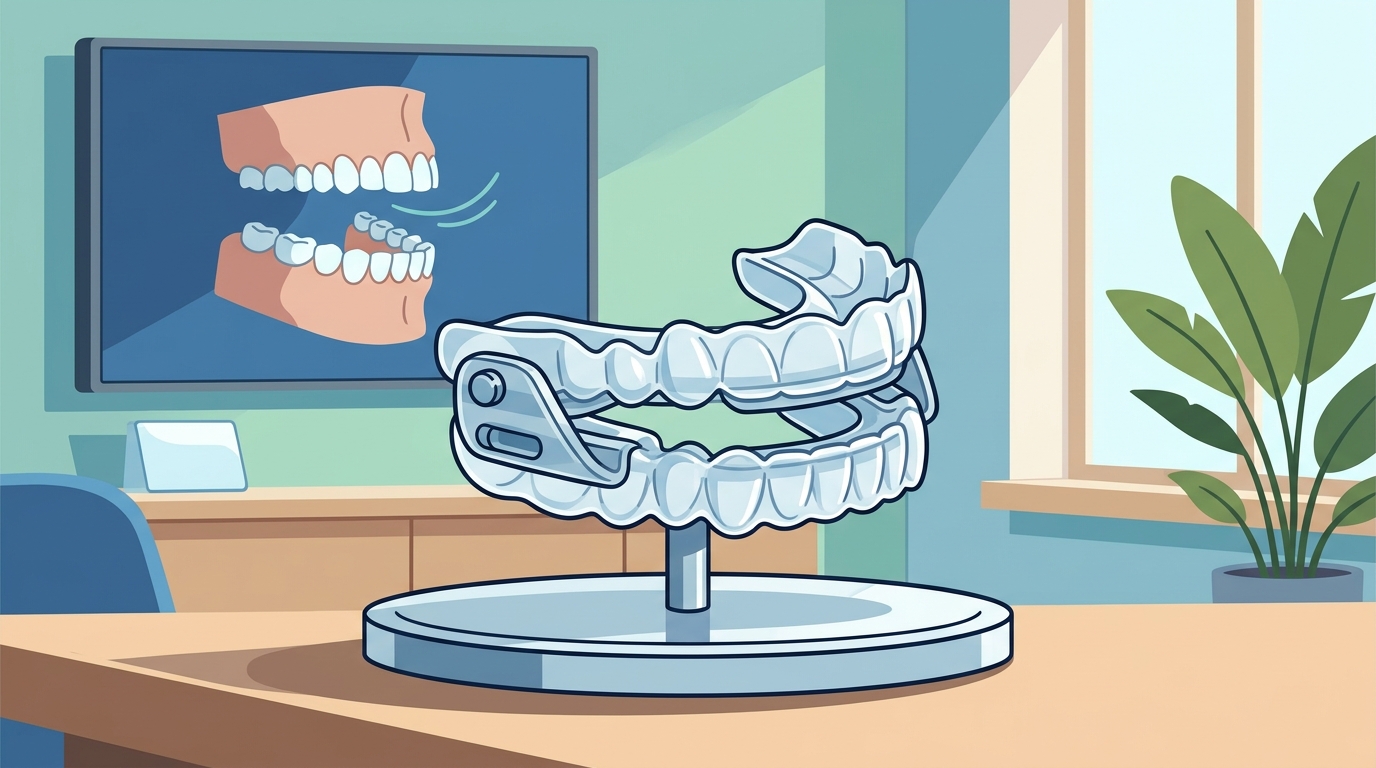
Oral Appliance Therapy is a dental treatment for sleep apnea that uses a device worn in the mouth during sleep. The device works by advancing the lower jaw slightly forward, which pulls the tongue and soft tissues forward, thereby opening the airway. This mechanical adjustment prevents the collapse of the throat tissues that causes snoring and apnea events.
There are two primary types of oral appliances. Mandibular Advancement Devices (MADs) are the most common, designed to hold the lower jaw in a forward position. Tongue Retaining Devices (TRDs) hold the tongue in place to prevent it from falling back and blocking the airway. The choice between these devices depends on the patient's specific anatomy and the severity of their sleep apnea. At Mindful Dentistry Boulder, we specialize in custom-fitted MADs that are crafted for maximum comfort and precision.
The Holistic Dentistry Advantage
Choosing a holistic dentist for sleep apnea treatment offers distinct advantages over traditional medical routes. Holistic dentistry focuses on the connection between oral health and overall systemic health. This approach recognizes that the mouth is a gateway to the body, and treating sleep apnea through dental means can have positive ripple effects on cardiovascular and metabolic health.
Dr. Alesia Bergan at Mindful Dentistry Boulder integrates this philosophy into every patient interaction. By focusing on biocompatible materials and gentle, non-invasive techniques, the treatment process is less stressful and more aligned with the body's natural rhythms. This is particularly important for patients who may already experience anxiety or discomfort with medical devices. The goal is to provide a solution that feels as natural as possible, ensuring long-term compliance and success.
The Diagnostic Process in Boulder
Before starting any treatment, a proper diagnosis is essential. The journey typically begins with a sleep study, which can be conducted in a laboratory or at home. Home sleep tests are increasingly popular for their convenience and comfort. These tests monitor breathing patterns, oxygen levels, and heart rate while you sleep in your own bed.
Once the diagnosis is confirmed, the dental team will take detailed impressions of your teeth and jaws. These impressions are sent to a specialized dental laboratory to create your custom oral appliance. The fitting process involves several adjustments to ensure the device fits perfectly and advances the jaw to the optimal position. Regular follow-up appointments are crucial to monitor progress and make any necessary tweaks to the device.
Comparison of Treatment Options
| Treatment Type | Efficacy for Mild-Moderate OSA | Comfort Level | Cost Considerations |
|---|---|---|---|
| CPAP Machine | High | Low to Moderate | Often covered by insurance |
| Custom Oral Appliance | Moderate to High | High | May require partial insurance coverage |
| Surgical Intervention | Variable | Low (Recovery Period) | High out-of-pocket costs |
Key Takeaways
- Oral Appliance Therapy is a clinically proven alternative to CPAP for mild to moderate obstructive sleep apnea.
- Custom-fitted devices offer superior comfort and compliance compared to off-the-shelf solutions.
- Holistic dentistry emphasizes the link between oral health and systemic wellness, providing a comprehensive approach to care.
- Dr. Alesia Bergan specializes in gentle, patient-centered care for sleep apnea and related conditions.
- A proper diagnosis through sleep testing is the critical first step in determining the right treatment path.
- Regular follow-ups ensure the oral appliance remains effective and comfortable over time.
- Treating sleep apnea reduces the risk of serious health issues like heart disease and stroke.
Frequently Asked Questions
Is oral appliance therapy covered by insurance?
Many insurance plans do provide partial coverage for oral appliances used to treat sleep apnea. However, coverage varies significantly by provider and plan. It is advisable to check with your insurance company directly and let our office assist with any necessary documentation.
How long does it take to adjust to a sleep apnea device?
Most patients adjust to their custom oral appliance within one to two weeks. Initial discomfort or increased saliva production is common but typically subsides as your mouth adapts to the new position of your jaw and tongue.
Can I use an over-the-counter mouthguard for sleep apnea?
No, over-the-counter mouthguards are not designed to treat sleep apnea. They do not provide the precise jaw advancement needed to keep the airway open and may even worsen symptoms or cause jaw pain. Custom-fitted devices are essential for effective treatment.
Does Dr. Bergan treat bruxism alongside sleep apnea?
Yes, Dr. Bergan frequently treats patients who suffer from both sleep apnea and bruxism (teeth grinding). The same custom oral appliances used for sleep apnea can also protect teeth from grinding damage, offering a dual benefit for your oral health.
What is the difference between obstructive and central sleep apnea?
Obstructive sleep apnea is caused by a physical blockage of the airway, which is what oral appliances treat. Central sleep apnea is a neurological issue where the brain fails to send proper signals to breathe. Oral appliances are not effective for central sleep apnea, which requires different medical management.
How often do I need to replace my oral appliance?
Typically, custom oral appliances last between three to five years with proper care. Regular dental check-ups will help monitor the condition of the device and your oral health to determine when a replacement is needed.
Will I still snore with an oral appliance?
While the goal is to eliminate snoring entirely, some residual snoring may occur initially. As you adjust to the device and your jaw position stabilizes, snoring usually decreases significantly or stops completely.
Schedule Your Consultation
If you are struggling with sleep apnea and want to explore life without CPAP, Mindful Dentistry Boulder is here to help. Our team is dedicated to providing gentle, effective, and holistic care tailored to your unique needs. We invite you to schedule a consultation today to discuss your options and take the first step toward restful, healthy sleep.