

Laser dentistry has transformed modern dental care by offering minimally invasive procedures with faster recovery times. According to the American Dental Association, the use of dental lasers has increased significantly over the past decade, with many practitioners now integrating this technology into their standard protocols. This shift reflects a broader industry move toward precision, patient comfort, and reduced reliance on traditional drills. For residents in Colorado, finding a provider who utilizes this advanced technology means accessing care that aligns with both scientific innovation and holistic health principles.
What Is Laser Dentistry?
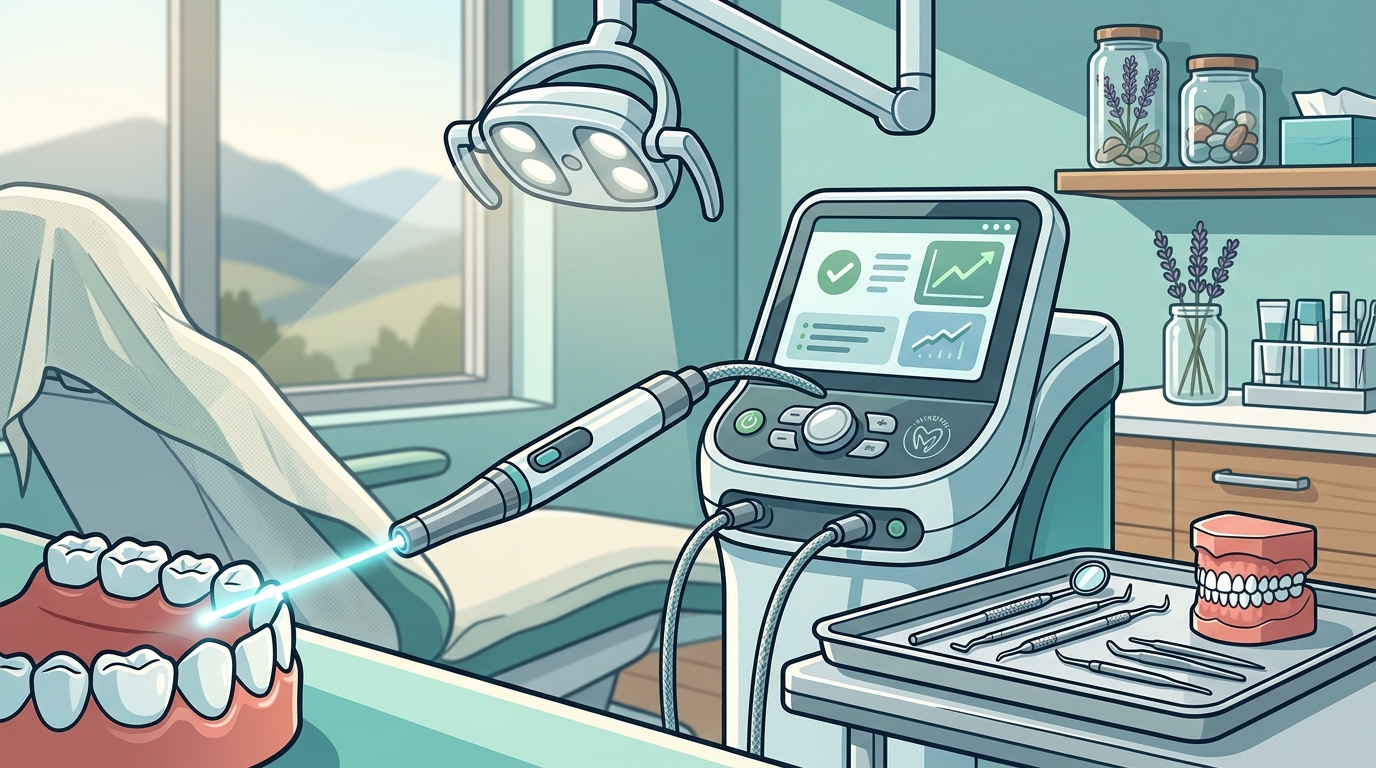
Laser dentistry is the use of focused light beams to perform a variety of dental procedures. Unlike traditional tools that rely on mechanical force, lasers use light energy to target specific tissues with high precision. This technology allows dentists to remove decayed tooth structure, reshape gum tissue, and even whiten teeth with minimal discomfort. The term "laser" stands for Light Amplification by Stimulated Emission of Radiation, a principle that enables the beam to be concentrated into a tiny spot.
In Colorado, where holistic health is highly valued, laser dentistry is often paired with biocompatible materials and non-toxic approaches. This combination ensures that patients receive care that not only fixes dental issues but also supports overall systemic health. Providers in the region, such as those at Mindful Dentistry Boulder, prioritize treatments that minimize chemical exposure and physical trauma to the body.
Types of Dental Lasers Used
Not all lasers are created equal. Dental professionals use different types of lasers depending on the specific procedure required. Understanding these distinctions helps patients choose the right provider for their needs.
Hard Tissue Lasers
Hard tissue lasers, such as the Er:YAG laser, are designed to interact with tooth structure. They are commonly used for cavity preparation, removing old fillings, and exposing tooth structure for bonding. These lasers can remove decayed tissue without the vibration and heat associated with traditional drills. This makes them particularly useful for patients with sensitive teeth or those who experience anxiety during dental work.
Soft Tissue Lasers
Soft tissue lasers, such as the diode laser, are used to treat gum tissue. They are effective for gum contouring, treating gum disease, and performing frenectomies. These lasers cauterize as they cut, which reduces bleeding and swelling. This is especially beneficial for patients with bleeding disorders or those taking blood-thinning medications.
Comparison of Laser Types
| Laser Type | Primary Use | Benefits |
|---|---|---|
| Er:YAG | Hard Tissue | Precise decay removal, minimal vibration |
| Diode | Soft Tissue | Bleeding control, faster healing |
| CO2 | Soft Tissue | Deep tissue penetration, sterilization |
Benefits of Laser Treatment
The adoption of laser technology in dentistry offers numerous advantages over traditional methods. These benefits extend beyond just the procedure itself to include long-term oral health outcomes.
Reduced Pain and Anxiety
One of the most significant benefits of laser dentistry is the reduction in pain. Many patients report that laser procedures are virtually painless, often eliminating the need for local anesthesia. This is particularly helpful for children and patients with dental anxiety. For those who struggle with fear of the dentist, dental anxiety relief strategies are often combined with laser technology to create a calming experience.
Faster Healing Times
Laser treatments typically result in less trauma to the surrounding tissues. This leads to faster healing times and reduced post-operative discomfort. Patients can often return to their normal activities sooner than with traditional surgical methods. The precision of the laser also means that healthy tissue is preserved, which promotes better long-term outcomes.
Minimally Invasive Procedures
Laser dentistry allows for minimally invasive approaches to many dental issues. For example, gum disease can be treated with laser debridement, which removes bacteria and diseased tissue without cutting into healthy gums. This approach is less invasive than traditional scaling and root planing. It also reduces the risk of infection and promotes faster recovery.
Finding Colorado Providers
Colorado is home to many dental practices that offer laser dentistry. However, not all providers use the same types of lasers or adhere to the same standards of care. It is important to research potential providers to ensure they meet your specific needs.
Look for Holistic Practices
Holistic dentists often prioritize the use of laser technology as part of a comprehensive approach to oral health. These practitioners focus on the connection between oral health and overall well-being. They are more likely to use biocompatible materials and avoid toxic substances like mercury. Dr. Alesia Bergan is a prominent example of a holistic dentist in Boulder who integrates laser technology into her practice.
Verify Credentials and Technology
When selecting a provider, verify their credentials and the specific types of lasers they use. Ask about their training in laser dentistry and their experience with the technology. A reputable provider will be transparent about their methods and willing to discuss the benefits and risks of laser treatment. You can also check blog posts and patient reviews for insights into the quality of care.
Consider Location and Accessibility
Colorado is a large state, so location is a key factor in choosing a provider. Practices in major cities like Boulder, Denver, and Colorado Springs often have access to the latest technology. However, rural areas may also have providers who offer laser dentistry. It is worth exploring options in your local area to find a convenient and qualified provider.
Safety and Regulations
Laser dentistry is a safe and effective treatment option when performed by a qualified professional. However, like any medical procedure, it carries some risks. Understanding these risks and the regulations governing their use is essential for patient safety.
Regulatory Oversight
The Food and Drug Administration (FDA) regulates dental lasers in the United States. Providers must ensure that their lasers are FDA-cleared for the specific procedures they perform. The American Dental Association also provides guidelines for the safe use of dental lasers. These guidelines cover everything from equipment maintenance to patient protection.
Patient Protection
During a laser procedure, both the patient and the dental team must wear protective eyewear. This is crucial to prevent eye damage from the intense light beam. Patients should also inform their dentist of any medical conditions or medications that might affect their response to laser treatment. For example, certain medications can increase sensitivity to light.
Long-Term Safety
Research has shown that laser dentistry is safe for long-term use. There are no known harmful effects from the light beams themselves when used correctly. However, it is important to choose a provider who follows strict safety protocols. This ensures that the benefits of laser dentistry are realized without unnecessary risks.
Key Takeaways
- Laser dentistry uses focused light beams for precise, minimally invasive procedures.
- Hard tissue lasers treat tooth structure, while soft tissue lasers treat gum tissue.
- Benefits include reduced pain, faster healing, and less anxiety for patients.
- Holistic dentists in Colorado often integrate laser technology with biocompatible materials.
- Verify provider credentials and laser types before undergoing treatment.
- FDA regulations ensure the safety and efficacy of dental lasers.
- Protective eyewear is mandatory for both patients and dental staff during procedures.
Frequently Asked Questions
Is laser dentistry painful?
Most patients report that laser dentistry is significantly less painful than traditional dental procedures. Many treatments can be performed without anesthesia, reducing discomfort and anxiety.
How much does laser dentistry cost?
The cost of laser dentistry varies depending on the procedure and the provider. Some insurance plans may cover laser treatments, while others may not. It is best to consult with your dentist and insurance provider for specific cost information.
Is laser dentistry safe for children?
Yes, laser dentistry is safe for children. In fact, it is often preferred for pediatric patients due to its minimally invasive nature and reduced anxiety. Bruxism grinding treatment and other pediatric procedures can be effectively managed with lasers.
Can lasers treat gum disease?
Yes, soft tissue lasers are highly effective for treating gum disease. They can remove bacteria and diseased tissue while promoting faster healing and reducing bleeding.
What is the difference between hard and soft tissue lasers?
Hard tissue lasers are designed to interact with tooth structure, such as enamel and dentin. Soft tissue lasers are used to treat gum tissue and other soft tissues in the mouth.
How do I find a laser dentist in Colorado?
You can find a laser dentist in Colorado by searching for holistic dental practices in your area. Check their websites for information about their technology and services. Contacting a provider directly can also help you determine if they offer the care you need.
Are there any risks associated with laser dentistry?
While generally safe, there are some risks, such as eye damage if protective eyewear is not worn. It is important to choose a qualified provider who follows strict safety protocols.
Contact Us
If you are looking for advanced, holistic laser dentistry in Colorado, consider visiting Mindful Dentistry Boulder. Our team is dedicated to providing safe, effective, and comfortable care using the latest technology. Schedule a consultation today to learn more about how laser dentistry can benefit your oral health.