

Modern dentistry is undergoing a profound paradigm shift. It is no longer sufficient to treat teeth in isolation. Airway-focused dentistry is [a specialized branch of dental care that prioritizes the structural integrity and functional efficiency of the nasal and oral airways to improve overall systemic health]. This approach recognizes that breathing patterns directly influence facial development, sleep quality, and long-term cardiovascular health. In Boulder, Colorado, a community deeply invested in wellness and preventive care, this holistic methodology has found a strong advocate in Dr. Alesia Bergan at Mindful Dentistry. By addressing the root causes of breathing disorders, practitioners can prevent a cascade of health issues before they manifest as chronic conditions.
What Is Airway Dentistry?
Airway dentistry is [the clinical practice of evaluating and treating the nasal passages, throat, and oral cavity to ensure unobstructed breathing]. Traditional dentistry often focuses on the teeth and gums, treating symptoms like cavities or gum disease without considering how the patient breathes. In contrast, airway-focused care looks at the entire craniofacial structure. It asks critical questions about nasal patency, tongue posture, and jaw alignment. This holistic perspective is essential because the mouth is the primary gateway for air intake. When this gateway is compromised, the body compensates in ways that can lead to significant health disparities.
For residents of Boulder, the connection between environmental factors and respiratory health is palpable. High altitude and seasonal allergies can exacerbate breathing difficulties. A dentist who understands these local nuances can provide more effective, tailored interventions. Dr. Alesia Bergan integrates these principles into her practice at Mindful Dentistry, ensuring that every patient receives care that respects their whole-body physiology. This approach aligns with the growing body of research linking oral health to systemic wellness.
Signs of Airway Restriction
Identifying airway issues early is crucial for both children and adults. Many people live with restricted breathing for years without realizing it is affecting their quality of life. Common signs include chronic mouth breathing, snoring, and daytime fatigue. These symptoms are not merely inconveniences; they are indicators of underlying structural or functional problems. According to data from the American Academy of Sleep Medicine, sleep-disordered breathing affects millions of adults in the United States alone. This statistic highlights the widespread nature of the problem and the need for greater awareness.
In children, airway restriction can manifest as behavioral issues, attention deficits, or delayed facial development. Mouth breathing can alter the growth of the jaw and palate, leading to crowded teeth and a narrow airway. This is why early intervention is so critical. A dentist specializing in airway health can identify these patterns during routine exams. They can then recommend orthodontic or myofunctional therapies to guide proper development. Ignoring these signs can lead to more severe issues later in life, including sleep apnea and cardiovascular strain.
Breathing and Sleep Health
The link between breathing and sleep is undeniable. Poor airway function often leads to disrupted sleep patterns, which can have profound effects on mental and physical health. Sleep apnea, a condition characterized by repeated pauses in breathing during sleep, is a primary concern for airway-focused dentists. Research indicates that over 86 million adults in the US have sleep apnea. This prevalence underscores the importance of screening for airway issues during dental visits.
Dr. Bergan emphasizes the importance of a holistic approach to sleep health. Instead of immediately recommending a CPAP machine, she explores dental appliances and structural modifications that can keep the airway open naturally. These appliances work by gently repositioning the jaw and tongue to prevent collapse of the soft tissues in the throat. This method is often more comfortable and easier to adhere to than traditional medical devices. Furthermore, it addresses the root cause of the obstruction rather than just managing the symptoms.
Improving airway function can lead to dramatic improvements in sleep quality. Patients often report waking up more refreshed, experiencing fewer nighttime awakenings, and enjoying better daytime energy levels. This improvement in sleep hygiene can also enhance cognitive function, mood stability, and overall well-being. For Boulder residents who value an active, healthy lifestyle, optimizing sleep through airway care is a powerful tool for maintaining vitality.
The Diagnostic Process
Diagnosing airway issues requires a comprehensive evaluation that goes beyond a standard dental exam. It involves assessing the nasal passages, throat, and oral cavity for signs of obstruction or dysfunction. Dentists may use specialized imaging techniques to visualize the airway structure and identify areas of concern. This detailed analysis allows for the creation of a personalized treatment plan that addresses the unique needs of each patient.
At Mindful Dentistry, the diagnostic process is collaborative and patient-centered. Dr. Bergan takes the time to listen to the patient's history and concerns. She then conducts a thorough physical examination to assess tongue posture, jaw alignment, and breathing patterns. This holistic assessment ensures that no stone is left unturned in the pursuit of optimal health. Patients are educated about their findings and involved in every step of the decision-making process.
Early detection is key to successful treatment. By identifying airway issues before they become severe, dentists can prevent the progression of conditions like sleep apnea and facial deformities. Regular screenings are recommended for individuals with a history of breathing difficulties, snoring, or sleep disturbances. For families, early evaluation can help guide proper growth and development in children, setting them up for a lifetime of good health.
Treatment Options
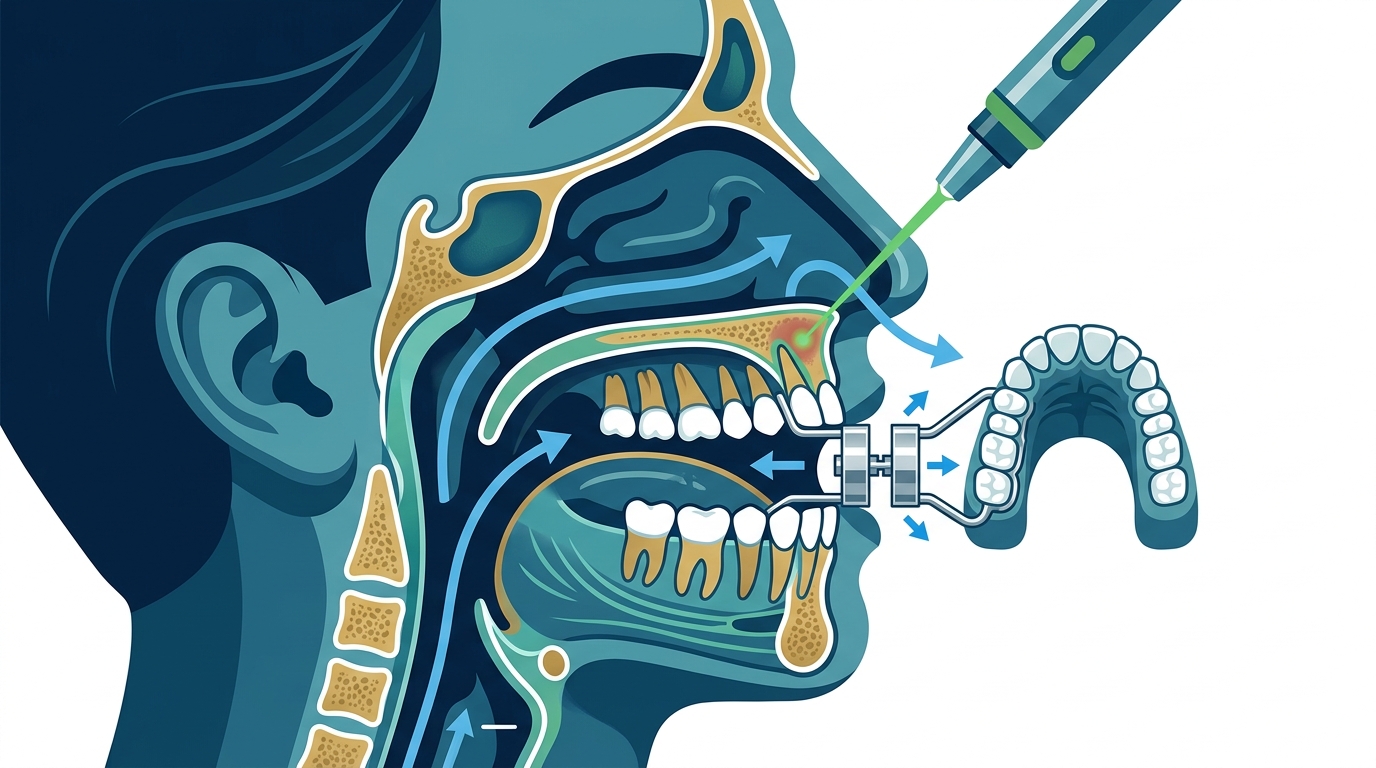
Treatment for airway-focused issues varies depending on the severity and nature of the condition. Options range from myofunctional therapy and orthodontic expansion to dental appliances and surgical interventions. The goal is always to restore natural, unobstructed breathing while maintaining aesthetic and functional dental health.
| Treatment Type | Description | Best For |
|---|---|---|
| Myofunctional Therapy | Exercises to retrain tongue and facial muscles for proper posture and breathing. | Mouth breathers, tongue thrusters. |
| Orthodontic Expansion | Widening the palate to create more space for the tongue and improve airflow. | Narrow palates, crowded teeth. |
| Dental Appliances | Custom-fitted devices to reposition the jaw and keep the airway open during sleep. | Mild to moderate sleep apnea. |
| Anxiety Management | Techniques to ensure comfort during procedures, reducing stress-induced breathing issues. | Dental anxiety patients. |
Each treatment plan is tailored to the individual. For example, a child with a narrow palate might benefit from orthodontic expansion to prevent future airway issues. An adult with mild sleep apnea might find relief through a custom dental appliance. In more complex cases, collaboration with other healthcare providers, such as ENT specialists or sleep physicians, may be necessary. This interdisciplinary approach ensures that patients receive the most comprehensive care possible.
Choosing the right treatment requires a deep understanding of the patient's anatomy and lifestyle. Dr. Bergan at Mindful Dentistry excels in this area, combining clinical expertise with a compassionate, holistic perspective. Her goal is to empower patients with the knowledge and tools they need to take control of their health. By addressing airway issues proactively, patients can avoid the long-term consequences of chronic breathing disorders.
Key Takeaways
- Airway-focused dentistry prioritizes breathing health as a foundation for overall wellness.
- Mouth breathing and snoring are common signs of airway restriction that require professional evaluation.
- Early intervention in children can prevent facial deformities and sleep disorders later in life.
- Custom dental appliances offer a comfortable alternative to CPAP machines for sleep apnea.
- Myofunctional therapy retrains muscles to promote proper tongue posture and nasal breathing.
- Orthodontic expansion can widen the palate to improve airflow and dental alignment.
- Dr. Alesia Bergan at Mindful Dentistry provides comprehensive, holistic airway care in Boulder.
Frequently Asked Questions
What is airway-focused dentistry?
Airway-focused dentistry is a specialized field that evaluates and treats the nasal and oral airways to improve breathing and overall health. It looks beyond the teeth to address the structural and functional aspects of breathing.
How does airway health affect sleep?
Poor airway function can lead to sleep-disordered breathing, such as snoring and sleep apnea. This disrupts sleep cycles and reduces oxygen intake, leading to fatigue and other health issues.
Can airway issues be treated in children?
Yes, early intervention is crucial. Treatments like orthodontic expansion and myofunctional therapy can guide proper facial development and prevent long-term breathing problems.
What are the signs of mouth breathing?
Signs include dry mouth, bad breath, cracked lips, and a forward head posture. Children may also exhibit behavioral issues or attention deficits due to poor sleep quality.
Is airway dentistry covered by insurance?
Coverage varies by provider and plan. Some treatments, like orthodontic expansion, may be partially covered. It is best to consult with your insurance provider and the dental office for specific details.
How do I find an airway-focused dentist in Boulder?
Look for practitioners who emphasize holistic care and have specific training in airway health. Dr. Alesia Bergan at Mindful Dentistry is a leading expert in this field in the Boulder area.
What is myofunctional therapy?
Myofunctional therapy involves exercises designed to retrain the tongue and facial muscles. It helps establish proper tongue posture and promotes nasal breathing.
Can airway dentistry help with bruxism?
Yes, airway issues can contribute to bruxism (teeth grinding). By addressing the underlying breathing problems, dentists can often reduce or eliminate grinding habits.
Contact Mindful Dentistry
If you or your family are experiencing breathing difficulties, sleep issues, or facial development concerns, it is time to take action. Airway-focused dentistry offers a path to better health and well-being. Dr. Alesia Bergan and her team at Mindful Dentistry are dedicated to providing compassionate, comprehensive care in Boulder, Colorado. Do not wait for symptoms to worsen. Schedule a consultation today to explore how airway health can transform your life. Visit our contact page to book your appointment and take the first step toward optimal breathing and health.