

Modern dental care is evolving beyond simple cavity prevention to address the root causes of systemic health issues. Airway-focused dentistry is a specialized field that evaluates how breathing patterns impact overall wellness, sleep quality, and facial development. According to recent health data, approximately 1 in 4 adults suffer from sleep-disordered breathing, a condition often linked to poor dental and jaw structure. This guide explores how Boulder, Colorado, is becoming a hub for this holistic approach to oral health.
What is Airway-Focused Dentistry?
Airway-focused dentistry is a specialized branch of dental care that prioritizes the health and function of the upper airway. It operates on the premise that proper breathing is foundational to physical health, cognitive function, and emotional well-being. Unlike traditional dentistry, which often treats symptoms in isolation, this approach looks at the entire craniofacial structure.
Practitioners in this field recognize that the mouth is the gateway to the respiratory system. When the airway is compromised, it can lead to a cascade of health issues, including chronic fatigue, headaches, and poor sleep quality. By addressing these structural issues early, dentists can help patients achieve better breathing patterns and improved overall vitality.
This holistic model is particularly relevant in communities like Boulder, where residents are often proactive about their health. The integration of dental care with sleep medicine and orthopedics allows for a more comprehensive treatment plan. Patients benefit from a coordinated approach that considers how jaw alignment affects nasal breathing and sleep architecture.
Signs of Airway Restriction
Identifying airway issues can be challenging because symptoms often mimic other common conditions. Many adults assume that snoring or daytime fatigue is simply a result of aging or stress. However, these are often red flags for underlying structural problems in the mouth and throat.
Common Symptoms in Adults
- Chronic Snoring: Often the first sign of turbulent airflow due to a narrowed airway.
- Daytime Fatigue: Waking up unrefreshed despite adequate hours in bed.
- Mouth Breathing: A habitual pattern that bypasses the nose's natural filtration and humidification systems.
- Bruxism: Teeth grinding or clenching, which can be a response to airway obstruction during sleep.
Impact on Children
In children, airway issues can significantly impact growth and development. Restricted breathing can lead to altered facial growth patterns, resulting in a narrower palate and misaligned teeth. Early intervention is critical to guide proper jaw development and prevent the need for more invasive treatments later in life.
Children who mouth breathe may also exhibit behavioral issues, such as difficulty concentrating or hyperactivity. These symptoms are often misdiagnosed as attention disorders when they are actually related to poor oxygenation and sleep quality. Recognizing these signs early can transform a child's health trajectory.
The Boulder Connection to Holistic Health
Boulder, Colorado, has long been a center for wellness and alternative health practices. The community's emphasis on natural living and preventive care aligns perfectly with the principles of airway-focused dentistry. Residents are increasingly seeking providers who look beyond the tooth to the whole person.
This cultural shift has fostered a network of healthcare professionals who collaborate across disciplines. Dentists in Boulder often work closely with sleep specialists, orthodontists, and physical therapists to provide integrated care. This collaborative model ensures that patients receive comprehensive treatment plans that address the root causes of their symptoms.
The high altitude of Boulder also plays a role in respiratory health. While many enjoy the benefits of clean air, some individuals may experience subtle changes in breathing patterns. Airway-focused dentists in the area are trained to assess how local environmental factors interact with individual anatomical structures.
The Diagnostic Process
A thorough evaluation is the cornerstone of airway-focused dentistry. The process begins with a detailed medical and dental history, followed by a comprehensive clinical examination. Practitioners look for specific indicators of airway restriction, such as a high arched palate or recessed chin.
Advanced Imaging and Testing
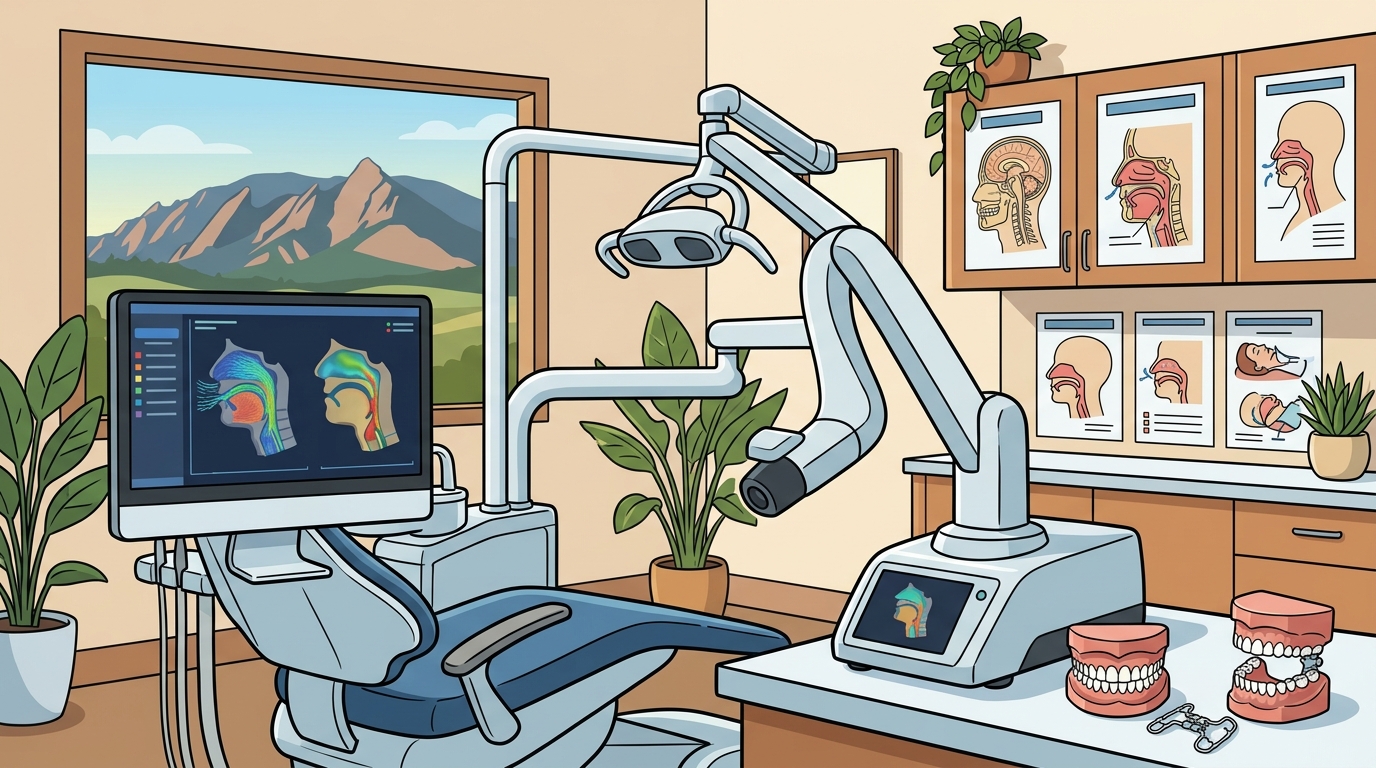
Modern diagnostic tools allow for precise assessment of the airway. Cone beam computed tomography (CBCT) scans provide three-dimensional views of the skeletal structure, revealing hidden obstructions or anatomical variations. These images help dentists plan treatments that are both effective and minimally invasive.
Sleep studies may also be recommended to evaluate breathing patterns during rest. These tests provide objective data on oxygen levels, breathing pauses, and sleep stages. The results guide the selection of appropriate interventions, ensuring that the treatment plan is tailored to the individual's needs.
Functional Assessment
Beyond imaging, functional assessments evaluate how the jaw, tongue, and throat work together during breathing and swallowing. Dentists may use intraoral cameras to examine soft tissue structures and assess tongue posture. This holistic view helps identify subtle dysfunctions that contribute to airway compromise.
Treatment Options and Interventions
Treatment for airway issues varies depending on the severity of the restriction and the patient's age. The goal is always to restore natural, unobstructed breathing through the nose. This often involves a combination of dental appliances, orthodontic therapy, and lifestyle modifications.
Orthodontic Expansion
Palatal expansion is a common intervention for both children and adults. By gently widening the upper jaw, this treatment creates more space for the tongue and improves nasal airflow. It can also correct bite issues and reduce the risk of future dental crowding.
Sleep Appliance Therapy
For adults with sleep-disordered breathing, custom-fitted oral appliances can help keep the airway open during sleep. These devices reposition the jaw and tongue to prevent collapse of the soft tissues. They offer a non-invasive alternative to continuous positive airway pressure (CPAP) machines for many patients.
Myofunctional Therapy
Myofunctional therapy involves exercises designed to retrain the muscles of the face and tongue. This therapy helps establish proper tongue posture and promotes nasal breathing. It is often used in conjunction with orthodontic treatment to ensure long-term stability of the results.
Comparison of Interventions
| Intervention | Target Audience | Primary Benefit | Link to Details |
|---|---|---|---|
| Palatal Expansion | Children and Adults | Widens nasal passage and palate | Clear Braces and Alignment |
| Oral Appliances | Adults with Sleep Apnea | Prevents airway collapse during sleep | Bruxism Grinding Treatment |
| Myofunctional Therapy | All Ages | Retrains tongue and muscle function | Dental Anxiety Relief |
| Dental Implants | Adults with Tooth Loss | Restores jaw structure and function | Dental Implants |
Key Takeaways
- Holistic Approach: Airway-focused dentistry treats the root cause of breathing issues, not just dental symptoms.
- Systemic Health: Poor airway function is linked to sleep disorders, fatigue, and chronic inflammation.
- Early Intervention: Addressing airway issues in children can prevent long-term facial and dental problems.
- Boulder Expertise: The local community supports integrated care models that combine dental and sleep medicine.
- Non-Invasive Options: Treatments like expansion and myofunctional therapy offer alternatives to surgery.
- Diagnostic Precision: Advanced imaging and sleep studies ensure accurate and personalized treatment plans.
- Provider Selection: Look for dentists who collaborate with other health professionals for comprehensive care.
Frequently Asked Questions
What is the difference between airway-focused dentistry and traditional dentistry?
Traditional dentistry primarily focuses on the health of the teeth and gums. Airway-focused dentistry evaluates the entire respiratory system, including the nose, throat, and jaw, to ensure proper breathing and sleep function.
Can airway issues be treated in adults?
Yes, adults can benefit significantly from airway-focused treatments. Options include palatal expansion, oral appliances, and myofunctional therapy to improve breathing and sleep quality.
How does airway health affect sleep?
A restricted airway can lead to snoring, sleep apnea, and fragmented sleep. This results in poor oxygenation and reduced restorative sleep, leading to daytime fatigue and health issues.
Is airway-focused dentistry covered by insurance?
Coverage varies by provider and plan. Some diagnostic tests and appliances may be covered, while others may be considered elective. It is best to consult with your insurance provider for specific details.
What should I expect during a consultation?
A consultation typically includes a comprehensive exam, review of medical history, and possibly imaging or sleep testing. The dentist will develop a personalized treatment plan based on your specific needs.
Can airway issues cause teeth grinding?
Yes, bruxism is often a response to airway obstruction. The body may grind teeth in an attempt to open the airway during sleep. Treating the airway can often reduce or eliminate grinding.
How do I find a qualified airway dentist in Boulder?
Look for dentists who specialize in holistic or functional dentistry and collaborate with sleep specialists. Check their credentials and read patient reviews to ensure they have experience with airway-focused care.
Contact Mindful Dentistry
If you or your family are experiencing symptoms of airway restriction, it is time to take action. Mindful Dentistry in Boulder offers comprehensive evaluations and personalized treatment plans to restore your breathing and improve your health. Our team is dedicated to providing gentle, effective care in a supportive environment.
Ready to prioritize your airway health? Schedule a consultation today to learn more about how airway-focused dentistry can transform your life. We invite you to explore our provider profile to meet the team behind your care.