

Respiratory health is often overlooked in traditional dental care, yet it is the foundation of systemic wellness. Recent studies indicate that obstructive sleep apnea affects over 26 million adults in the United States, yet fewer than 20% are diagnosed. This statistic highlights a critical gap in preventive healthcare where dental professionals play a pivotal role. At Mindful Dentistry Boulder, we bridge the gap between oral structure and respiratory function to restore natural breathing patterns.
What Is Airway Dentistry?
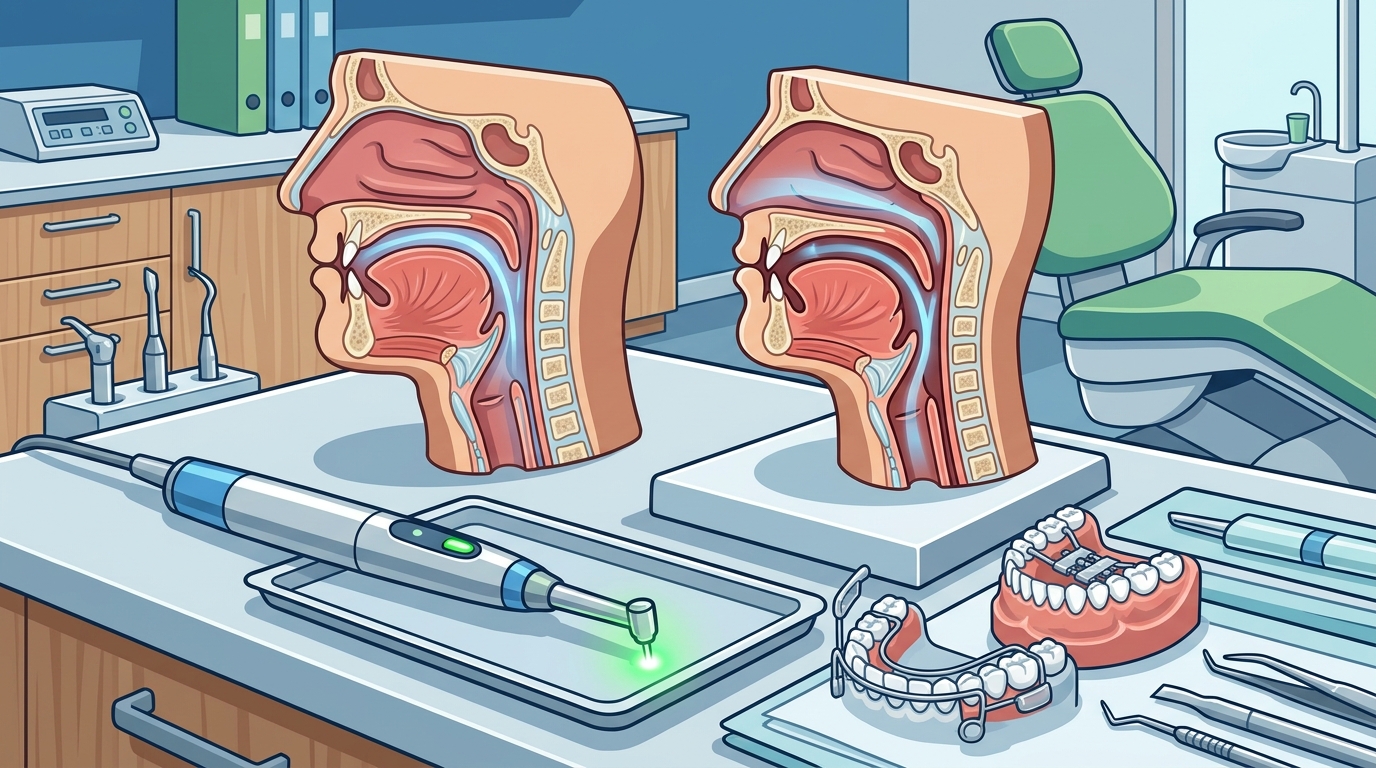
Airway dentistry is a specialized branch of dental care that focuses on the structure and function of the upper airway. It examines how the position of the tongue, jaw, and palate affects breathing during sleep and wakefulness. This discipline recognizes that restricted airflow can lead to chronic health issues beyond just snoring.
Airway dentistry is the practice of evaluating and treating the anatomical structures that control breathing to improve sleep quality and overall health. By addressing the root cause of breathing difficulties, practitioners can prevent long-term complications associated with mouth breathing and sleep-disordered breathing.
Traditional dentistry often treats symptoms in isolation, such as grinding or misalignment. In contrast, airway-focused care looks at the entire craniofacial complex. This holistic perspective ensures that treatments support natural physiological functions rather than just cosmetic outcomes. For more insights on this approach, you can explore our blog resources dedicated to holistic health.
Signs of Airway Restriction
Identifying airway issues early can transform a patient's quality of life. Many individuals suffer in silence, attributing their fatigue to stress or aging. However, specific physical and behavioral markers often point to underlying respiratory constraints.
Physical Indicators
Chronic mouth breathing is one of the most common signs of airway restriction. When the nasal passages are blocked or the tongue posture is incorrect, the body defaults to oral breathing. This habit can lead to dry mouth, bad breath, and increased risk of cavities. Additionally, patients may experience frequent nighttime awakenings or unrefreshing sleep.
Behavioral and Cognitive Signs
Sleep-disordered breathing often manifests as daytime fatigue, brain fog, or irritability. Children may exhibit hyperactivity or learning difficulties due to poor sleep quality. Adults might struggle with morning headaches or a persistent need for caffeine to stay alert. These symptoms are not merely inconveniences; they are signals that the body is struggling to oxygenate effectively.
According to the American Academy of Sleep Medicine, untreated sleep apnea significantly increases the risk of hypertension and cardiovascular disease. Recognizing these signs is the first step toward seeking specialized care. If you suspect you or your child has breathing issues, consider our dental anxiety relief services to make the evaluation process comfortable.
The Boulder Approach to Treatment
Boulder, Colorado, is known for its health-conscious community and emphasis on preventive care. This cultural backdrop supports the growth of airway-focused dentistry. Dr. Alesia Bergan at Mindful Dentistry Boulder utilizes a comprehensive diagnostic process to identify airway obstructions.
Comprehensive Evaluation
The evaluation begins with a detailed medical history and physical examination. We assess tongue tie, palate shape, and jaw alignment. Advanced imaging may be used to visualize the airway space. This data-driven approach ensures that treatment plans are tailored to individual anatomical needs.
Collaborative Care
Airway health often requires a multidisciplinary team. We collaborate with sleep specialists, orthodontists, and ENT doctors to provide holistic solutions. This collaboration ensures that patients receive the most effective care for their specific condition. For more information on our team, visit our Dr. Alesia Bergan DDS profile.
Treatment Options and Devices
Treatment for airway issues varies based on the severity of the obstruction and the patient's age. The goal is always to restore natural breathing through the nose while maintaining proper jaw alignment.
| Treatment Type | Best For | Description |
|---|---|---|
| Oral Appliances | Mild to Moderate Sleep Apnea | Custom-fitted devices that reposition the jaw to keep the airway open during sleep. |
| Orthodontics | Developing Children and Adults | Guides jaw growth and palate expansion to create more space for the tongue and airway. |
| Restorative Care | Adults with Tooth Loss | Replaces missing teeth to support facial structure and prevent jaw collapse that can narrow the airway. |
| Frenectomy | Tongue Tie | Releases restricted tongue movement to allow proper oral posture and breathing. |
Each option is carefully selected to support long-term health. For instance, clear braces can gently expand the palate in growing children, preventing future airway issues. In adults, dental implants help maintain bone structure, which is crucial for airway support. If you are concerned about grinding, our bruxism grinding treatment may also address underlying airway contributors.
Key Takeaways
- Airway dentistry addresses the root cause of breathing issues, not just dental symptoms.
- Over 26 million Americans suffer from sleep apnea, highlighting the need for dental screening.
- Mouth breathing is a primary indicator of airway restriction and can lead to chronic health issues.
- Boulder's health-focused community supports a growing network of airway-aware practitioners.
- Treatment options range from oral appliances to orthodontics, tailored to individual needs.
- Collaborative care with sleep specialists ensures comprehensive diagnosis and management.
- Early intervention in children can prevent long-term structural and health problems.
Frequently Asked Questions
How do I know if I need airway-focused dentistry?
If you experience chronic fatigue, snoring, or mouth breathing, you may benefit from an airway evaluation. A dental professional can assess your anatomy and recommend appropriate treatments.
Is airway dentistry only for children?
No, airway dentistry is beneficial for all ages. Adults often seek treatment for sleep apnea, TMJ disorders, or to improve overall respiratory health.
What is the difference between airway dentistry and traditional orthodontics?
Traditional orthodontics focuses on straightening teeth. Airway dentistry prioritizes the position of the jaws and tongue to ensure proper breathing and facial development.
Can airway issues affect my child's learning?
Yes, poor sleep quality due to airway restriction can lead to attention deficits and learning difficulties in children. Addressing the airway can improve cognitive function.
How is sleep apnea diagnosed by a dentist?
Dentists use clinical exams, patient history, and sometimes sleep studies to diagnose sleep apnea. They can then provide oral appliances or refer you to a specialist.
Are oral appliances comfortable?
Custom-fitted oral appliances are designed for comfort and ease of use. Most patients adapt quickly and report significant improvements in sleep quality.
What should I expect during a consultation?
A consultation involves a thorough examination of your oral structure, medical history, and discussion of your symptoms. We will create a personalized treatment plan.
Take the Next Step for Your Health
Airway health is integral to your overall well-being. Do not let breathing issues compromise your quality of life. Contact Mindful Dentistry Boulder today to schedule a comprehensive airway evaluation. Our team is dedicated to helping you breathe easier and live healthier. Visit our contact page to book your appointment now.