

Modern dentistry is undergoing a profound shift from treating isolated symptoms to addressing whole-body health. According to the American Academy of Sleep Medicine, sleep-disordered breathing affects over 12 million adults in the United States alone. This statistic highlights a critical gap in traditional dental care, where the mouth is often viewed merely as a collection of teeth rather than the gateway to the respiratory system. At Mindful Dentistry Boulder, we recognize that the health of your airway dictates the health of your entire body. This guide explores how airway-focused dentistry in Boulder addresses these systemic issues through holistic, non-invasive interventions.
What Is Airway-Focused Dentistry?
Airway-focused dentistry is a specialized branch of dental care that prioritizes the proper development and function of the upper airway. It operates on the principle that restricted breathing during sleep or wakefulness can lead to chronic health issues, including sleep apnea, chronic fatigue, and facial developmental abnormalities. This approach integrates with orthodontics, sleep medicine, and holistic health practices to ensure that the jaw and tongue are positioned to support optimal oxygen intake.
Traditional dentistry often focuses on the alignment of teeth for aesthetic or functional chewing purposes. In contrast, airway dentistry evaluates the space available for the tongue and the patency of the nasal passages. When the airway is compromised, the body compensates by altering posture, sleep patterns, and even facial structure. By addressing these root causes, dentists can help patients achieve better sleep quality, improved cognitive function, and enhanced overall vitality.
At Mindful Dentistry Boulder, we utilize a comprehensive diagnostic process to identify airway restrictions. This involves analyzing sleep patterns, breathing habits, and craniofacial development. Our goal is to create a treatment plan that supports natural breathing through the nose, which is essential for proper oxygen exchange and nitric oxide production. This method is particularly relevant for residents seeking dental anxiety relief, as a secure airway significantly reduces physiological stress during dental visits.
Signs of Airway Restriction in Adults
Many adults suffer from undiagnosed airway issues because the symptoms are often attributed to stress or aging. Recognizing these signs is the first step toward finding the right specialist. Common indicators include chronic snoring, waking up with a dry mouth, and persistent daytime fatigue. These symptoms suggest that the body is struggling to maintain adequate oxygen levels during sleep, forcing the respiratory system to work harder than necessary.
Another significant sign is mouth breathing during the day. While occasional mouth breathing is normal, habitual mouth breathing indicates that the nasal airway is obstructed or that the tongue posture is incorrect. This habit can lead to a cascade of health issues, including poor dental health, gum disease, and altered facial structure. Research published in the Journal of Clinical Sleep Medicine indicates that chronic mouth breathing is linked to increased systemic inflammation and reduced immune function.
Other subtle signs include teeth grinding, known as bruxism, and frequent headaches upon waking. These are often the body's attempt to open the airway during sleep. If you experience these symptoms, it is crucial to consult with a provider who understands the connection between oral structure and respiratory health. Our team at Mindful Dentistry Boulder specializes in identifying these hidden patterns and offering solutions that restore natural breathing mechanics.
The Boulder Approach to Treatment
Boulder, Colorado, is known for its health-conscious community and emphasis on holistic wellness. This cultural backdrop makes it an ideal location for the practice of airway-focused dentistry. The Boulder approach integrates traditional dental expertise with modern sleep science and orthopedic principles. We do not simply mask symptoms with temporary fixes; we aim to remodel the oral environment to support long-term respiratory health.
A key component of this approach is the evaluation of tongue tie and lip tie. These conditions can restrict the tongue's ability to rest properly on the roof of the mouth, leading to airway collapse during sleep. By addressing these restrictions, often in collaboration with myofunctional therapists, we can help patients achieve proper tongue posture. This posture is essential for keeping the airway open and promoting healthy facial development in children.
We also emphasize the importance of nasal breathing. The nose acts as a natural filter, humidifier, and regulator for the air we breathe. When patients learn to breathe through their noses, they benefit from increased nitric oxide production, which improves blood flow and oxygen uptake. Our treatments often include myofunctional therapy exercises to retrain the muscles of the face and tongue. For more information on our comprehensive care model, visit our blog.
Treatment Options and Devices
Treatment for airway issues varies depending on the severity of the restriction and the individual's anatomy. We offer a range of non-invasive and minimally invasive options designed to improve breathing without surgery. Below is a summary of common interventions used in airway-focused dentistry.
| Treatment Type | Description | Best For |
|---|---|---|
| Oral Appliance Therapy | Custom-fitted devices that gently advance the jaw to keep the airway open during sleep. | Mild to moderate sleep apnea and snoring. |
| Myofunctional Therapy | Exercises to strengthen oral muscles and retrain tongue posture for proper breathing. | Mouth breathers and tongue tie patients. |
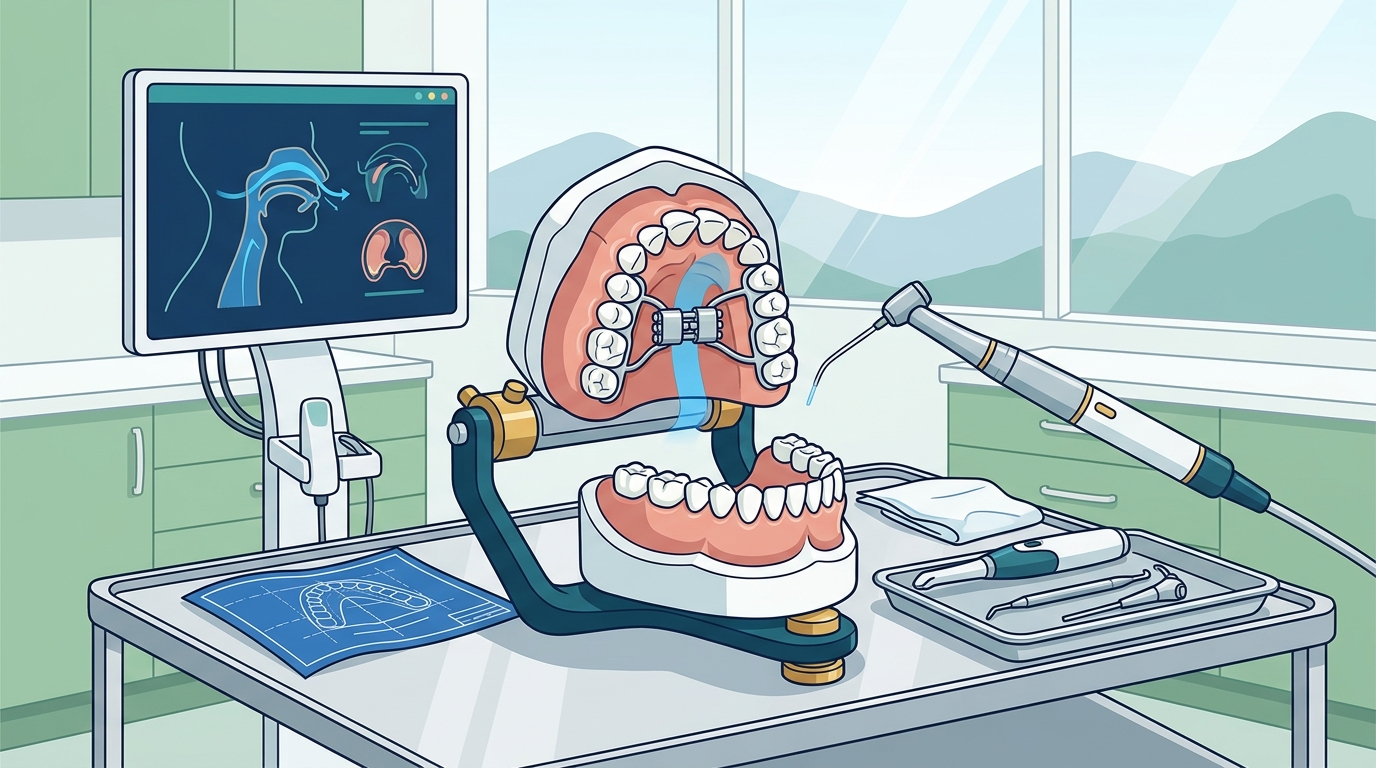
| Orthodontic Expansion | Devices that widen the palate to create more space for the tongue and improve nasal airflow. | Narrow palates and developing children. |
| Restorative Care | Rebuilding bite structure to support proper jaw alignment and airway space. | Patients with significant tooth loss or bite issues. |
Each treatment plan is tailored to the patient's specific needs. For example, bruxism grinding treatment often overlaps with airway therapy, as grinding can be a response to airway obstruction. By treating the airway, we can often reduce or eliminate the need for a traditional night guard. Similarly, clear braces or other orthodontic interventions may be used to expand the dental arches, providing more room for the tongue and reducing the risk of airway collapse.
We also consider the role of dental implants in airway health. When teeth are lost, the jawbone can resorb, leading to a collapse of the facial structure and a narrowing of the airway. Dental implants help preserve bone structure and maintain the vertical dimension of the face, which is crucial for keeping the airway open. This holistic view ensures that every aspect of your oral health contributes to your respiratory well-being.
Key Takeaways
- Airway-focused dentistry addresses the root causes of sleep-disordered breathing rather than just the symptoms.
- Chronic mouth breathing and snoring are common signs of airway restriction that require professional evaluation.
- The Boulder approach integrates myofunctional therapy, orthodontics, and sleep medicine for comprehensive care.
- Nasal breathing is critical for optimal oxygen uptake and immune function.
- Treatment options include oral appliances, palate expansion, and restorative dentistry.
- Addressing airway issues can improve sleep quality, reduce anxiety, and enhance overall health.
- Mindful Dentistry Boulder offers personalized plans tailored to individual anatomical needs.
Frequently Asked Questions
How do I know if I need airway-focused dentistry?
If you suffer from chronic fatigue, snoring, or mouth breathing, you may benefit from an airway evaluation. A specialist can assess your oral structure and breathing patterns to determine if treatment is necessary.
Is airway dentistry only for children?
No, while early intervention is beneficial for facial development, adults can also benefit significantly. Airway-focused dentistry helps adults improve sleep quality, reduce bruxism, and enhance overall respiratory health.
What is the difference between a sleep study and an airway evaluation?
A sleep study diagnoses sleep disorders like apnea, while an airway evaluation assesses the structural causes of those disorders. Dentists specialize in the structural aspect, working alongside sleep physicians for comprehensive care.
Can airway dentistry help with teeth grinding?
Yes, teeth grinding is often a response to airway obstruction. By opening the airway through appliances or orthodontics, we can often reduce the need for grinding and protect your teeth.
How long does treatment take?
Treatment duration varies based on the severity of the restriction. Myofunctional therapy may take several months, while oral appliances can provide relief quickly. Orthodontic expansion may take longer depending on age and bone density.
Do you accept insurance for airway treatments?
Insurance coverage varies. We recommend contacting our office to discuss your specific plan. Many airway-related procedures may be covered under dental or medical insurance, depending on the diagnosis.
What is the role of the tongue in airway health?
The tongue plays a critical role in keeping the airway open. Proper tongue posture against the roof of the mouth helps maintain nasal breathing and prevents the tongue from falling back and obstructing the airway during sleep.
Schedule Your Airway Consultation
Taking control of your airway health is a transformative step toward better sleep and overall wellness. At Mindful Dentistry Boulder, we are dedicated to providing compassionate, evidence-based care that addresses the whole person. If you are ready to explore how airway-focused dentistry can improve your life, we invite you to contact us to schedule a consultation. Our team is here to guide you through every step of your journey to optimal health.